Consistent product photography, without a studio each time
Consistency is what makes a catalog look like a brand instead of a pile of uploads. KeepThisProduct holds your actual product steady across every image while giving each shot a coherent, considered set.


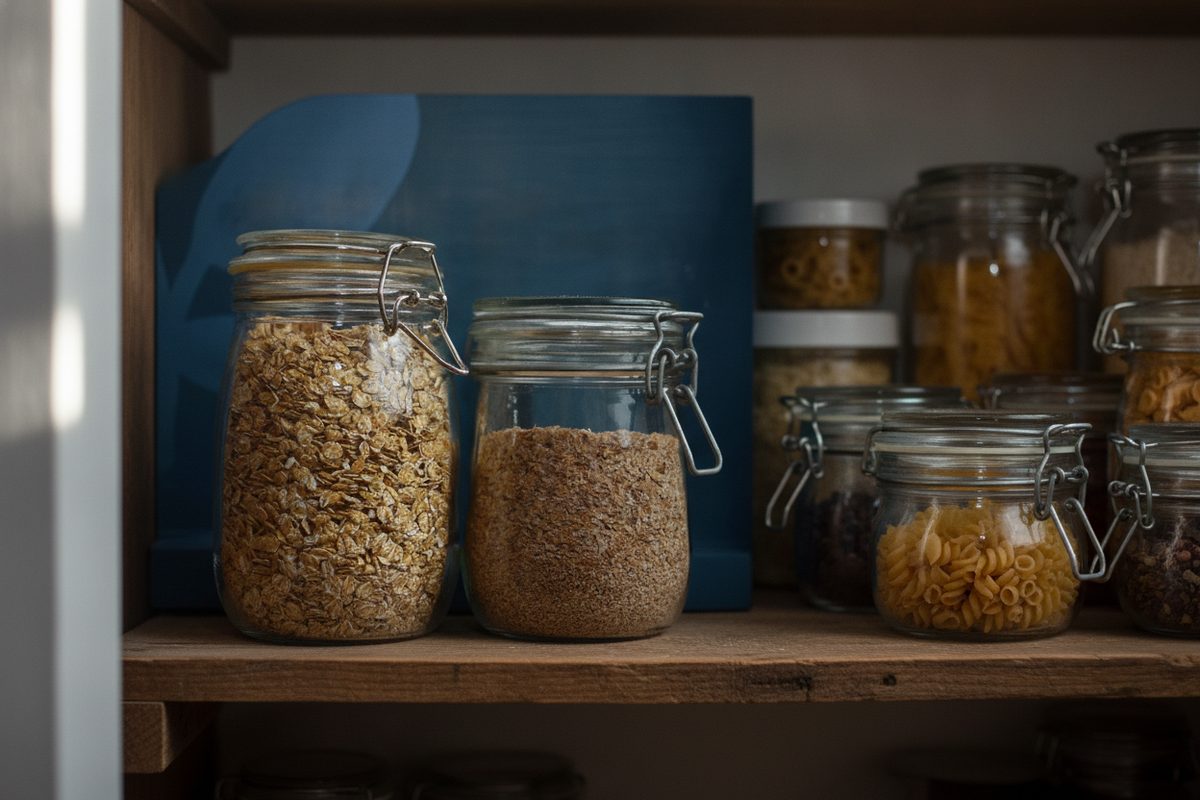
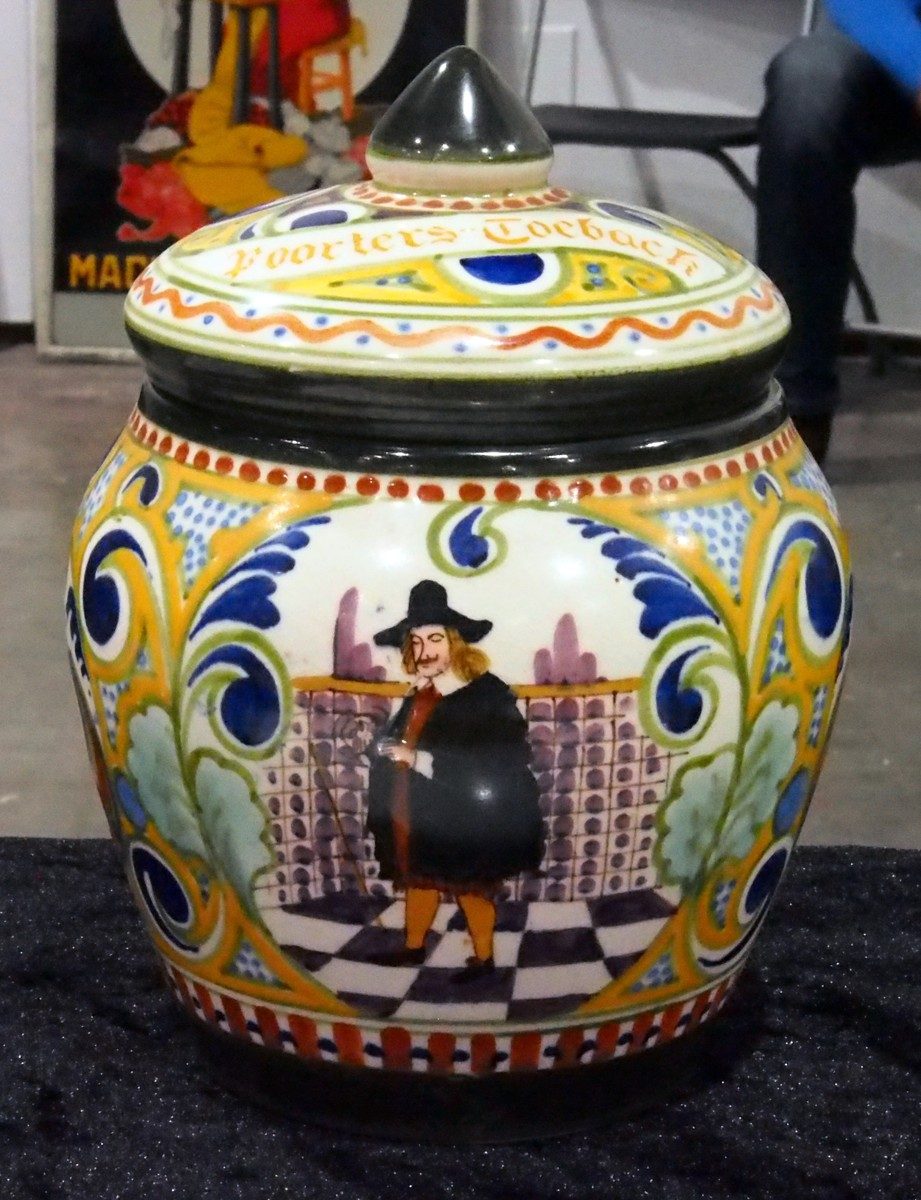
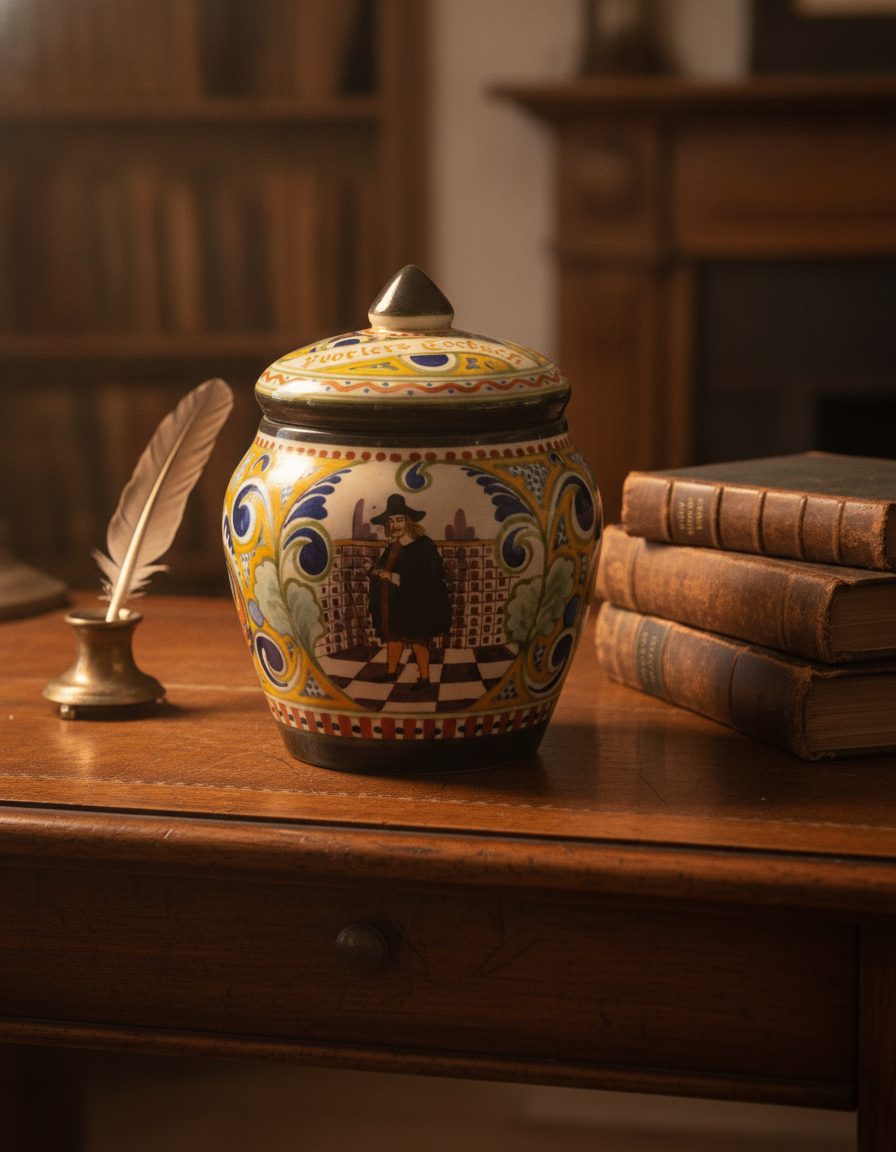
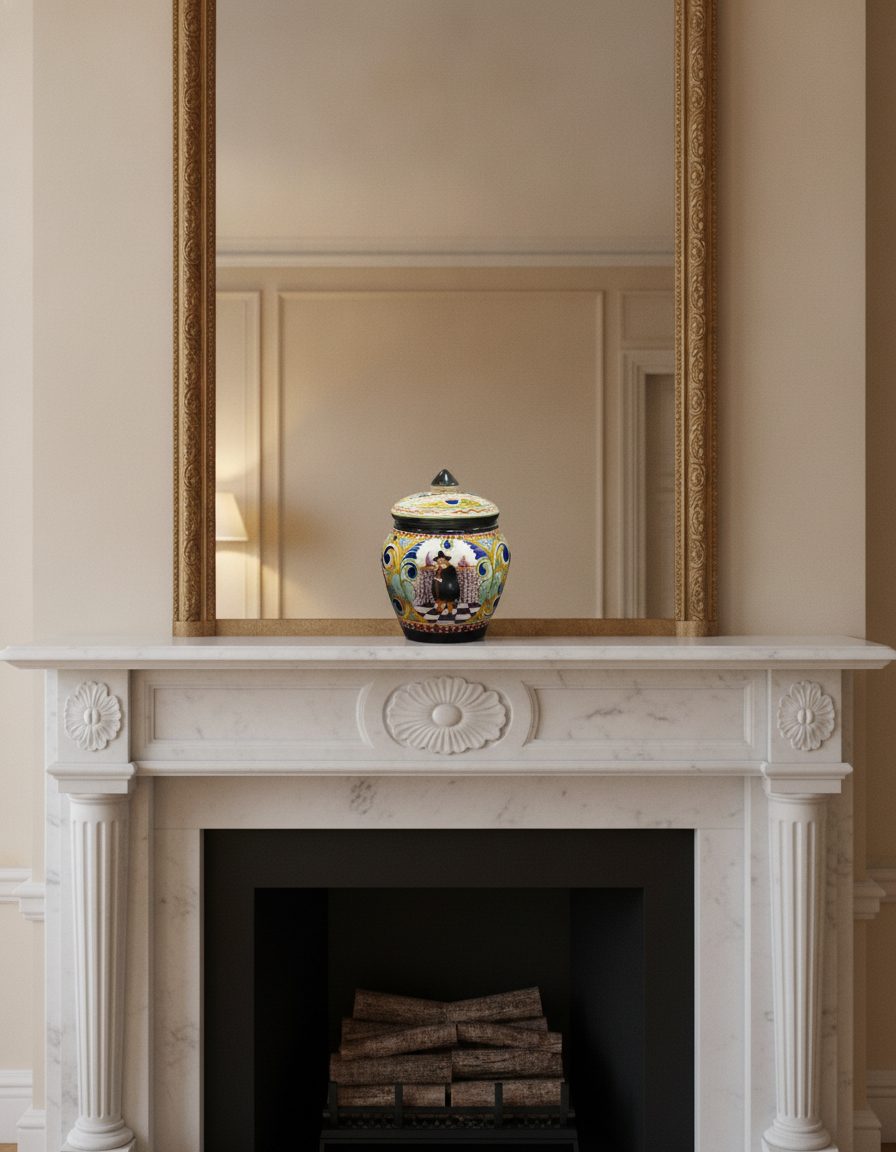
Most small sellers can't rebook a photographer every time they need a new image. So the catalog drifts: one shot on white, one on a phone in the kitchen, one borrowed from a supplier. Shoppers feel that inconsistency as risk.
The fix isn't more shoots — it's a repeatable way to place the same product into consistent surroundings. Above, two very different products keep their defining form: the clamp-lid jars retain their contents and hardware, and the hand-painted jar retains its figure and finial. The scenes differ, but each product is unmistakably itself.
What "consistent" actually means here
Consistency has two halves. The first is product fidelity: image to image, the item must look like the same item. The second is scene coherence: the sets should feel like they belong to one brand — related light, related surfaces, a shared mood.
KeepThisProduct handles the first by construction — your reference photo is the thing every scene is built to preserve. The second is yours to direct: describe a consistent palette and lighting mood across your prompts and the sets will rhyme.
Where it fits in a real workflow
Use it to fill the gaps between real shoots: seasonal refreshes, a background you forgot to capture, a lifestyle angle a supplier photo never had. Keep at least one honest, unstaged product image as your anchor, and let the staged scenes be the supporting cast.
What stays true
- Product shape, proportions, colors, packaging and label are preserved from your reference in every scene.
- Coherence across a catalog comes from directing consistent light and surfaces in your prompts — the tool keeps the product steady, you keep the mood steady.
- It stages authorized products only and never adds a feature, claim or ingredient the product lacks.
Questions, answered plainly
Does this replace a product photographer?
No. It's for extending and filling in a catalog between shoots, not replacing the honest primary photo. It can't capture detail your reference never had, and some hero shots still deserve a real camera. Think of it as a fast way to multiply the good photos you already have.
How do I keep a whole range looking coherent?
Reuse the same scene language across products — the same surface, palette and light in your prompts — so the sets share a family look while each product stays true to its own reference photo.
What does it cost to do a full catalog?
Start with one free watermarked preview. Outcome packs contain 5 selected scenes for $9.99, 20 for $29.99, or 60 for $79.99. Each scene includes up to three successful attempts and one selected full-resolution final. Buy another pack whenever you need a new catalog set.
Make your catalog look like one brand
Bring the photos you have and turn them into a consistent, coherent set of scenes — same product, considered look, every time.