Your product, shown in use — still your product
"In-use" shots — a bottle held at a table, a tube on a bathroom counter mid-routine — help shoppers picture owning the thing. KeepThisProduct can build those scenes around your item while keeping the product faithful to your photo.
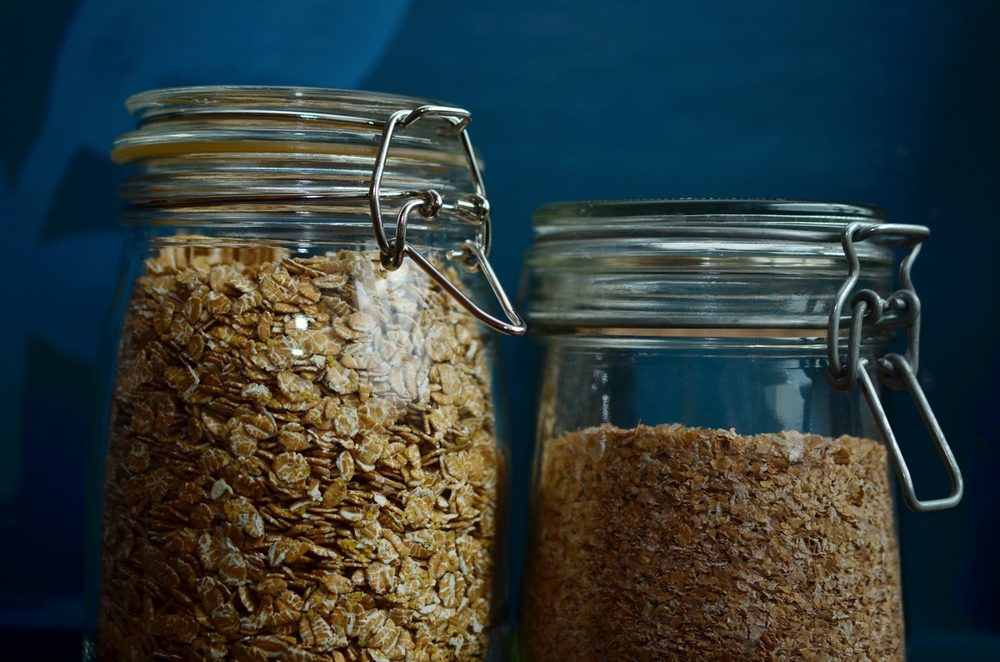
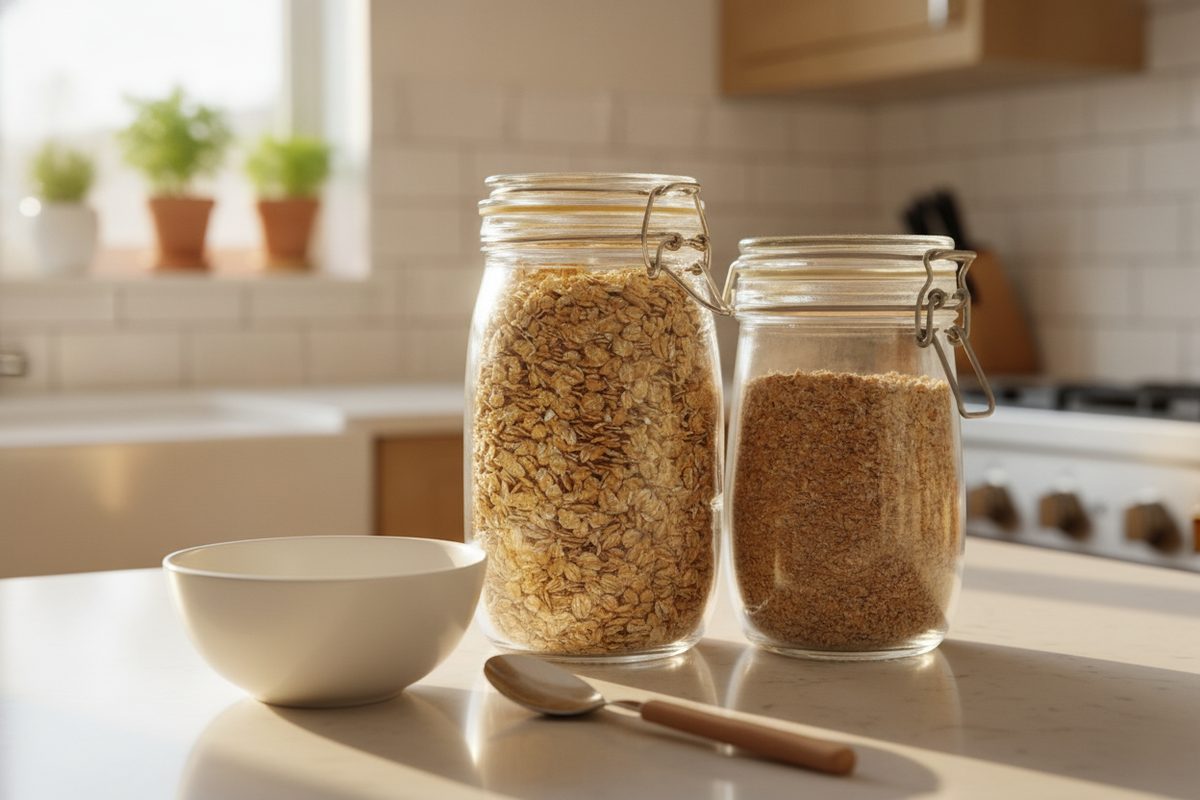
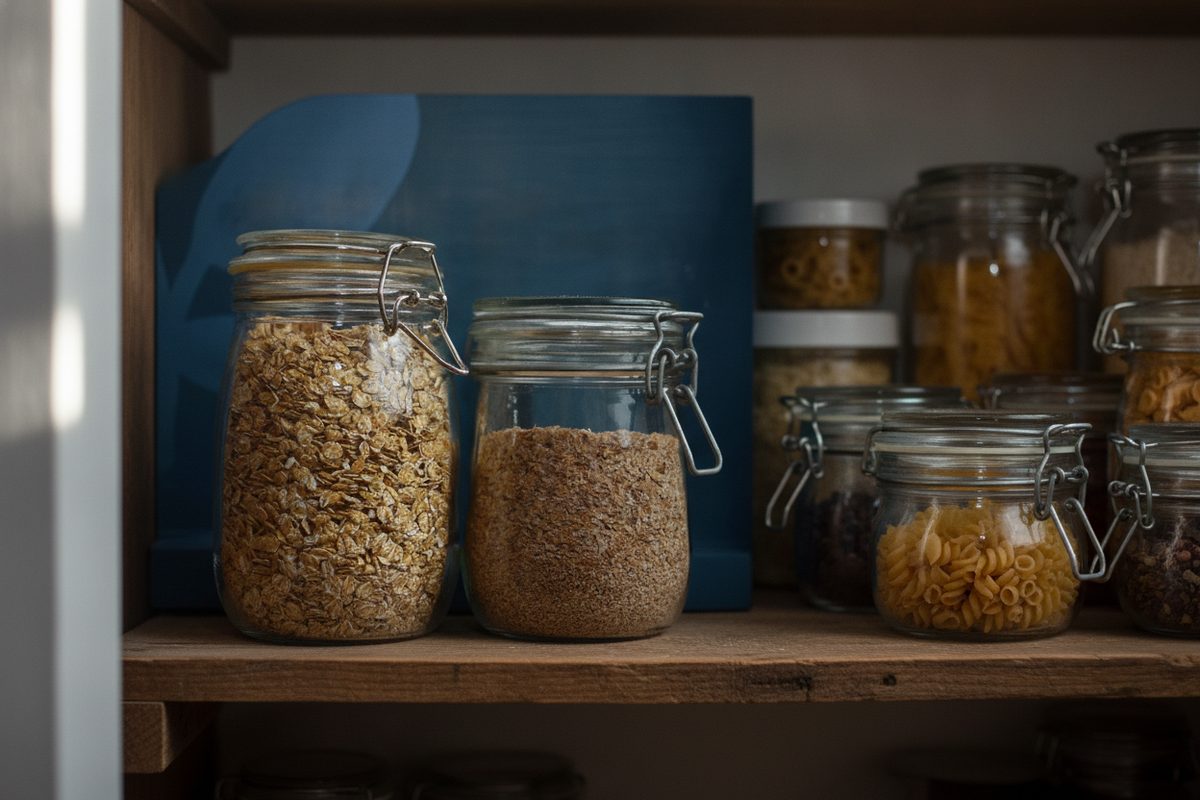
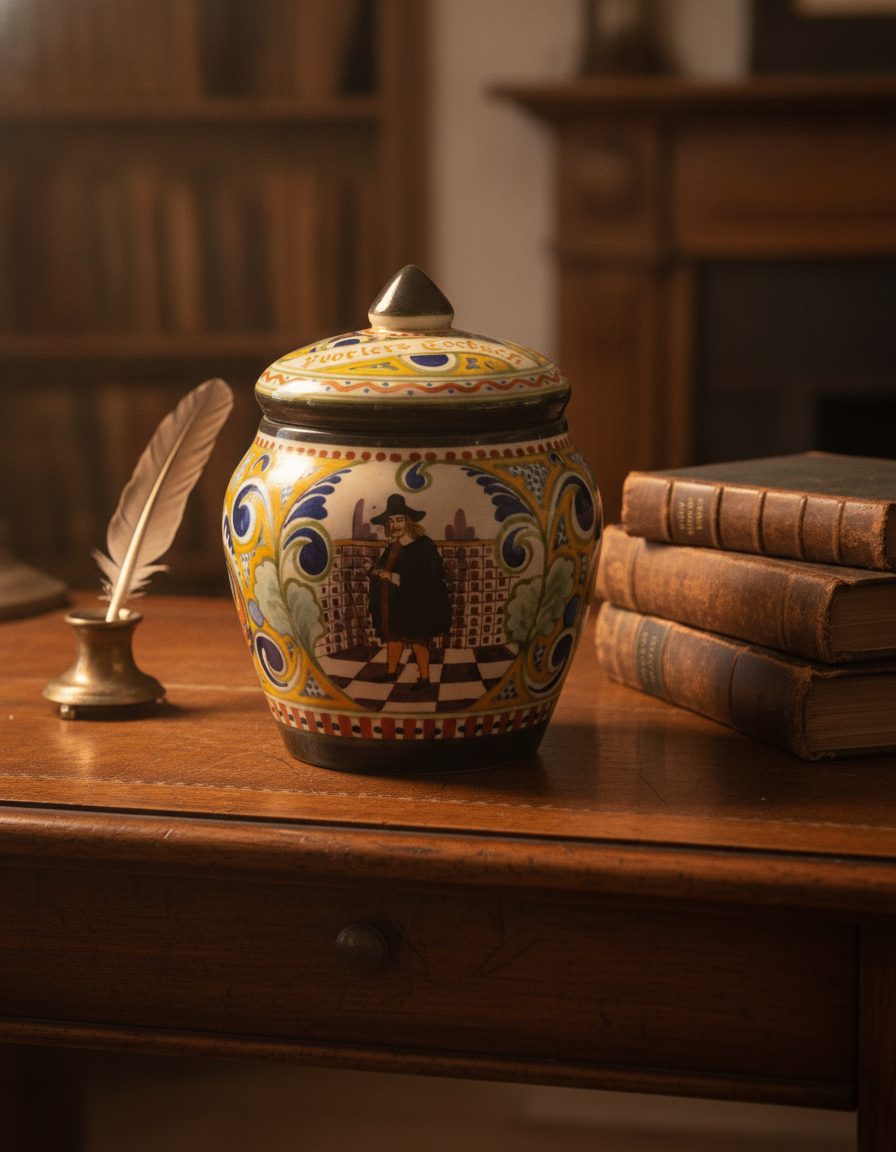
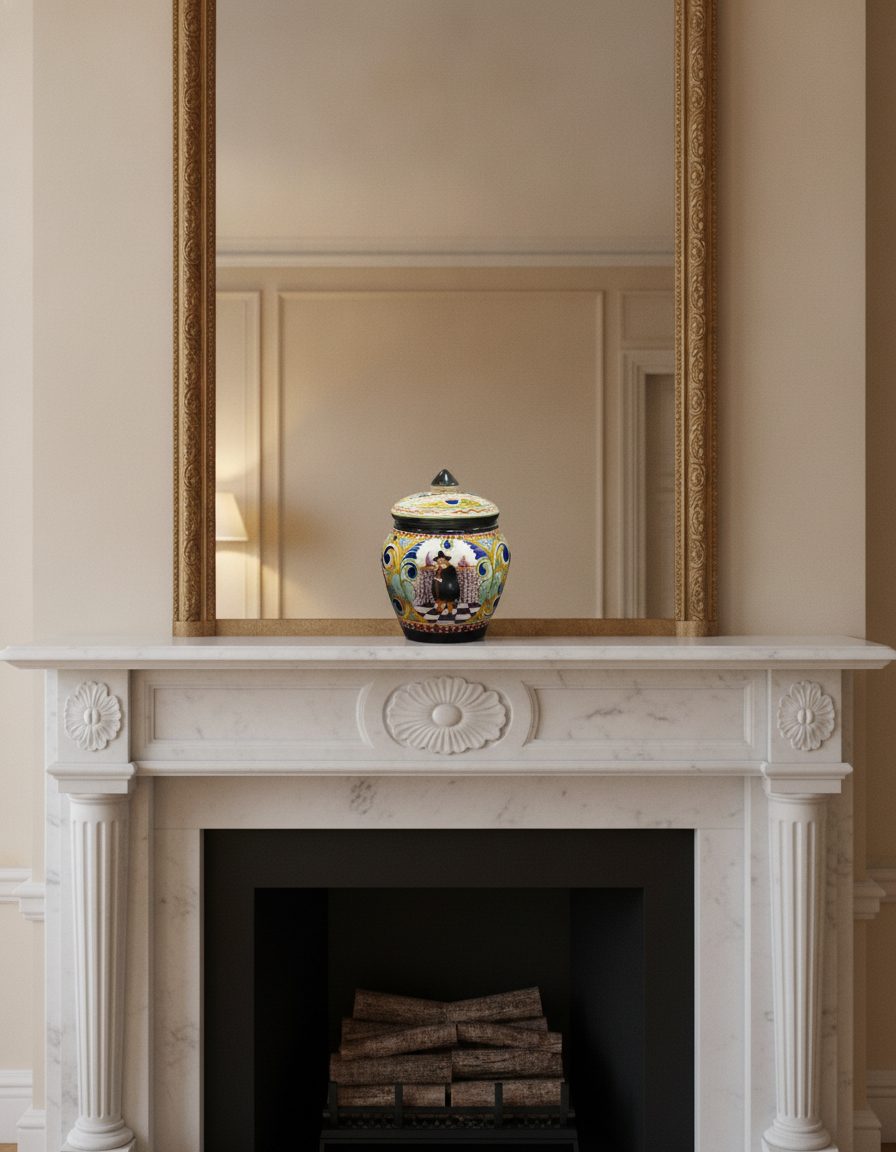
A model or a pair of hands adds context and scale, which is genuinely useful for products where size or use isn't obvious. But it also raises the stakes on honesty: the scene should suggest how the product is used, never fake an outcome it doesn't deliver.
So this page is deliberately careful. The frames above are product-first scenes and contain no person. If you add an adult in the editor, use yourself, an adult who gave informed permission, a hired adult model, or a fully synthetic adult. The product and the person's identity both become review obligations.
What model scenes are good for
Scale and use. A hand holding a jar tells a shopper how big it is faster than any dimension line. A product on a styled vanity says "this belongs in a morning routine" without a caption. These are legitimate, common lifestyle shots.
Keep them honest: the product must stay true to your reference, and the scene must not imply a result — a clinical claim, a transformation, a guaranteed effect — that the product can't back up.
The lines we don't cross
No public figures, celebrities, non-consensual likenesses, minors as a marketed use, impersonation, fabricated endorsements, nudity, or suggestive scenes. Permission to use an adult's likeness also does not create permission to claim that they endorse the product.
What stays true
- The product must remain faithful; any adult must be the user, a consenting adult, a hired adult model, or a fully synthetic adult.
- Never imply a use, outcome, or endorsement the product can't honestly support.
- No public figures, non-consensual likenesses, minors as a marketed use, fabricated endorsements, nudity, or suggestive framing.
Questions, answered plainly
Can it show a specific person using my product?
Only if that adult is you, has given informed permission, or is a hired adult model whose agreement covers the use. Public figures, celebrities, non-consensual likenesses, minors as a marketed use, and fabricated endorsements are excluded.
Will the product still look right with a model in frame?
The same preservation rule applies to the product whether or not a person is present: its shape, color and label are anchored to your reference. Adding a figure changes the context around the item, not the item itself.
Do in-use scenes need a disclosure?
Often, yes. If a staged in-use scene could imply a setting, result or endorsement the product doesn't actually deliver, disclose that it's a generated lifestyle image. Our disclosure guide covers exactly when this matters.
Show the product in the world
Place your item into a lifestyle scene that suggests real use — with the product kept faithful and the staging kept honest.