A scene generator that treats your photo as the reference
Ordinary image generators start from a blank prompt and invent a plausible product. A reference scene generator starts from your photo and treats it as the source of truth — so the output is your product, in a new scene.
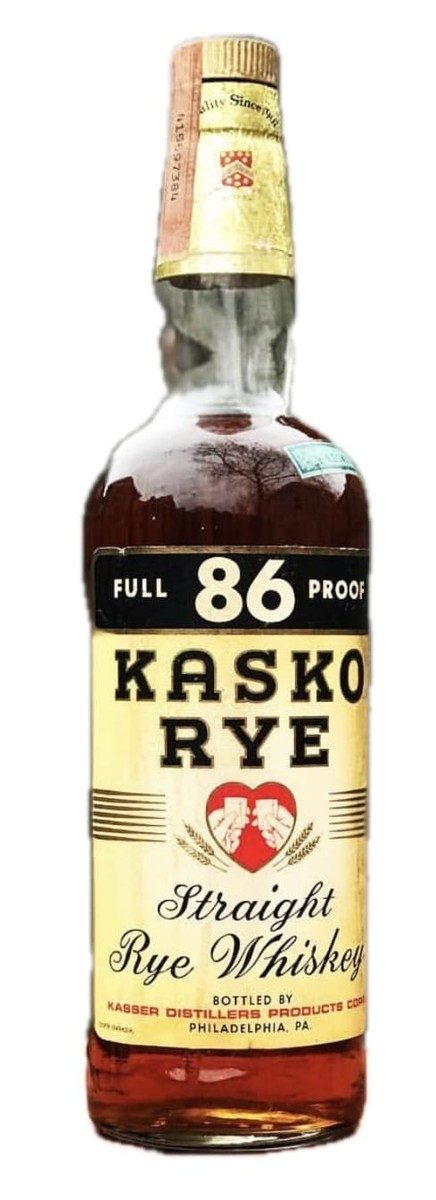
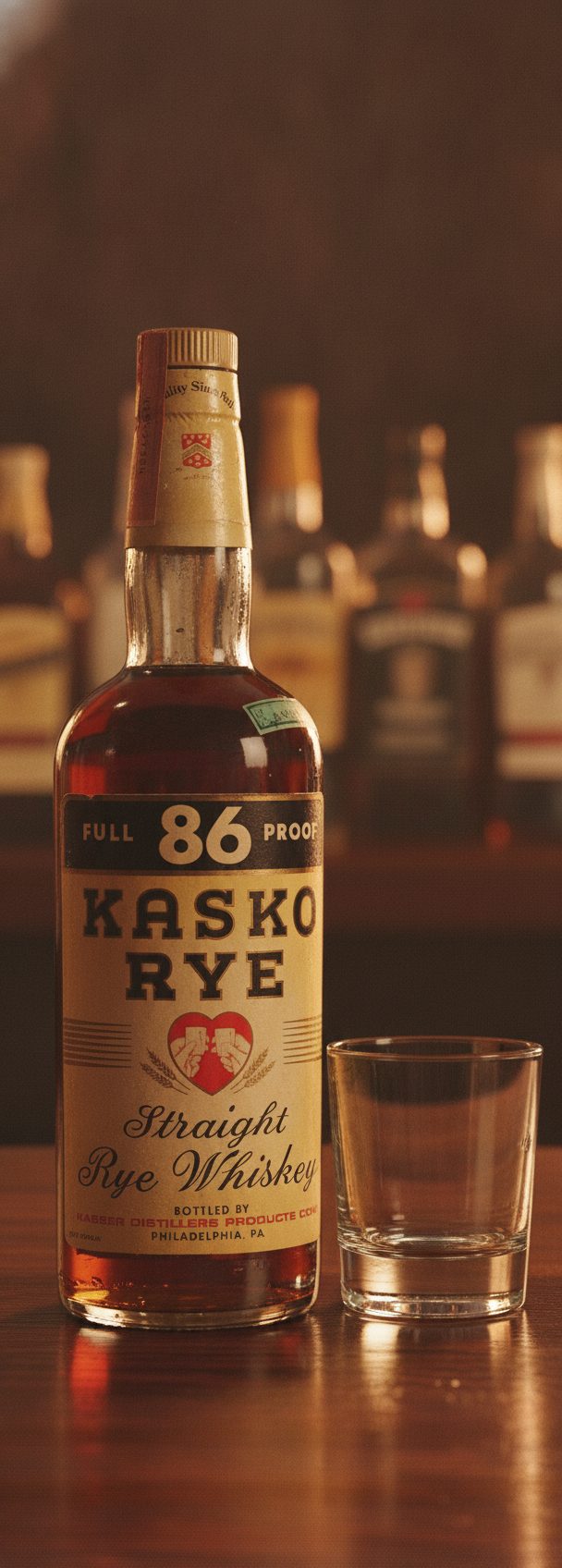
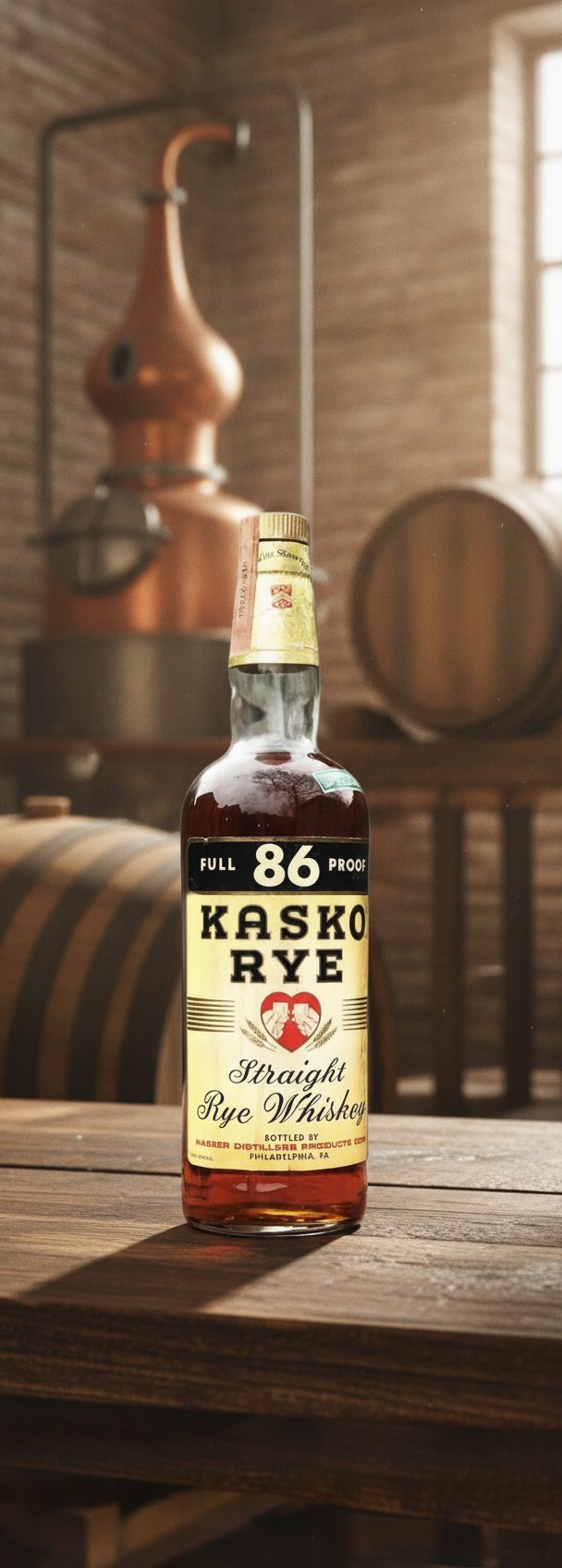
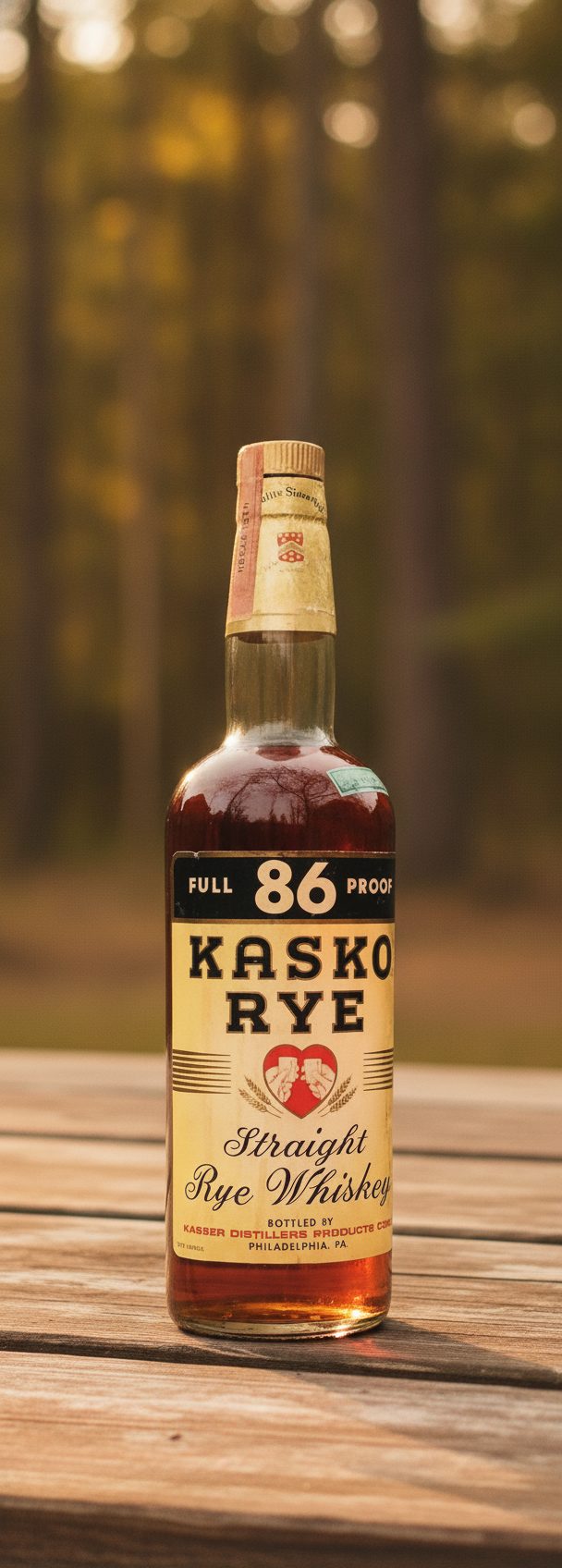
The distinction sounds small and matters enormously. "Generate a whiskey bottle on a bar" gives you a whiskey bottle — some whiskey bottle. "Take this bottle and place it on a bar" gives you your bottle, with your label, on a bar. The first is decoration; the second is a usable product image.
KeepThisProduct is the second kind. The reference frame you upload anchors every generation: the model's job is to build a believable scene around a fixed object, not to reimagine the object. That constraint is the entire product.
Using it as a generator
Feed it the reference
Your product photo goes in first and stays fixed. Everything generated is built to preserve what's in that frame.
Prompt the surroundings
Describe the set, the light, the props. You're writing a brief for the scene, not a description of the product.
Generate, compare, keep
Each run is a fresh take on the scene. Compare against your reference and keep the frames where the product reads true.
Why reference-anchoring beats prompt-only
A prompt-only model has no obligation to any real item, so it optimizes for a pretty, generic result. That's fine for mood boards and terrible for listings, because your customer is buying a specific thing and the law expects your images to represent it honestly.
Reference-anchoring flips the objective. The generated pixels are scored against a real photo you provided. Bold shapes and high-contrast labels are held most faithfully; the finest print is the hardest to preserve and the first place to double-check.
What stays true
- Generation is constrained by your reference: shape, color, packaging and label are preserved, the scene is invented.
- Results are probabilistic — re-running a scene gives variations, so curate rather than accept the first frame.
- Generate scenes for products you own or are authorized to represent; never generate claims or features the product lacks.
Questions, answered plainly
How is this different from Midjourney or a text-to-image model?
Those generate an image from words alone, inventing whatever product fits the prompt. This is reference-driven: your uploaded photo is the fixed subject, and generation only builds the scene around it. The result is meant to be your actual product, not a lookalike.
Can I generate several variations of one scene?
Yes. A scene includes up to three successful attempts, with a five-call total safety cap when engine calls fail. Pick one attempt as the full-resolution final. The first watermarked preview counts as attempt one for its scene.
What makes a good reference for the generator?
Sharp focus, even light, a plain background, and the product facing the camera. The clearer the reference, the more faithfully every generated scene preserves it. Our reference-photo guide walks through a five-minute setup.
Point it at your product photo
Upload a reference and let the generator build scenes around it — your item, kept true, in whatever setting you brief.