Real results, shown honestly
Every image here is an actual staging result, not a mockup. The reference products are public-domain photos from Wikimedia Commons; each scene was generated in the editor and judged by a person. We show the strong ones — and one honest miss.
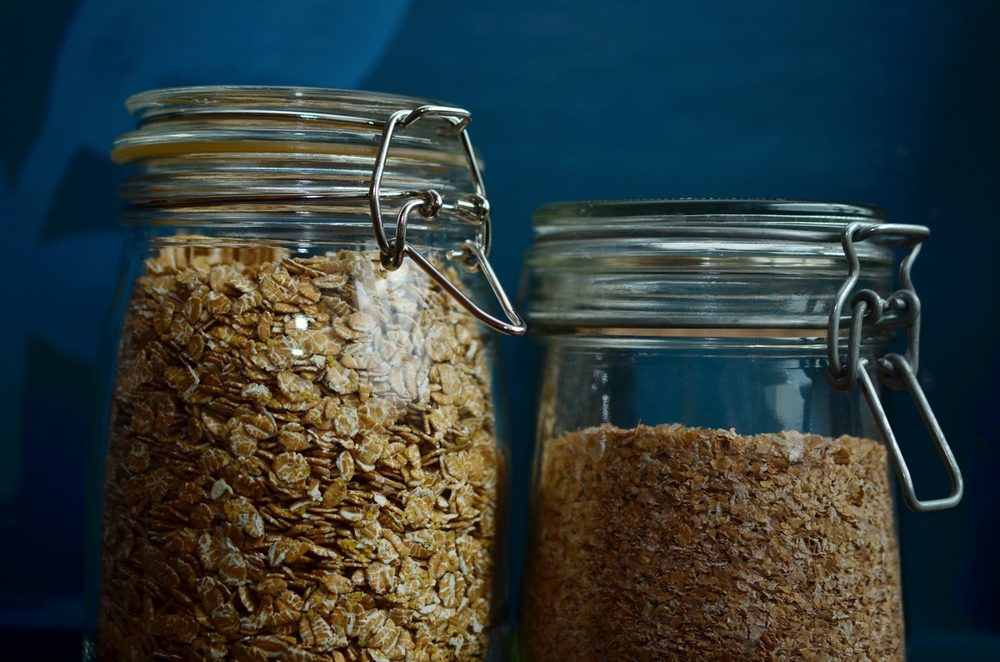
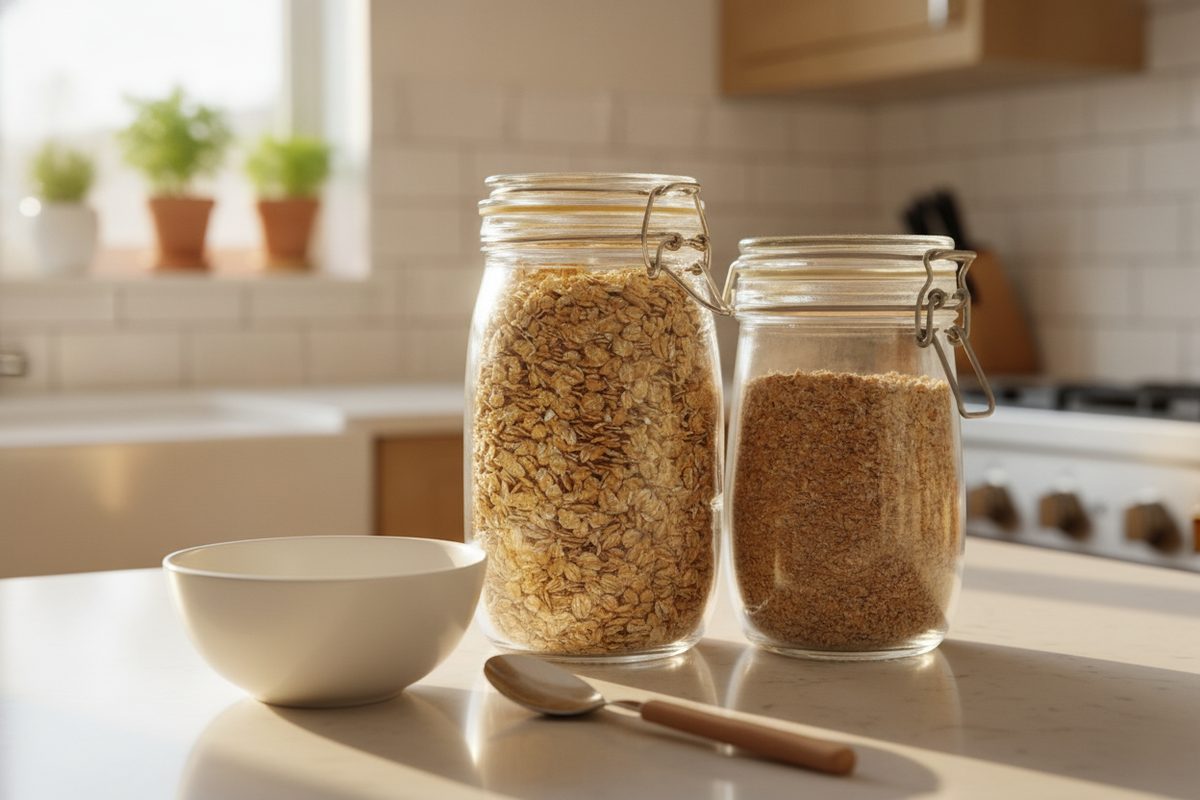
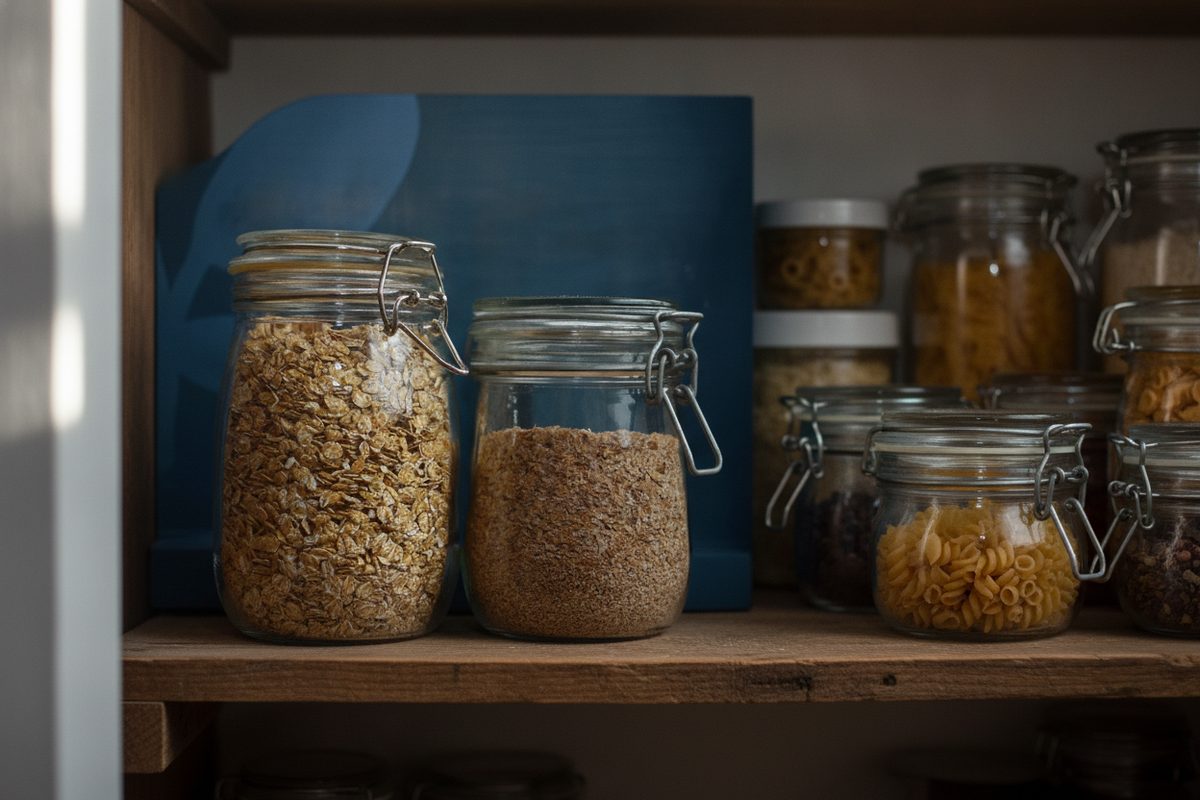
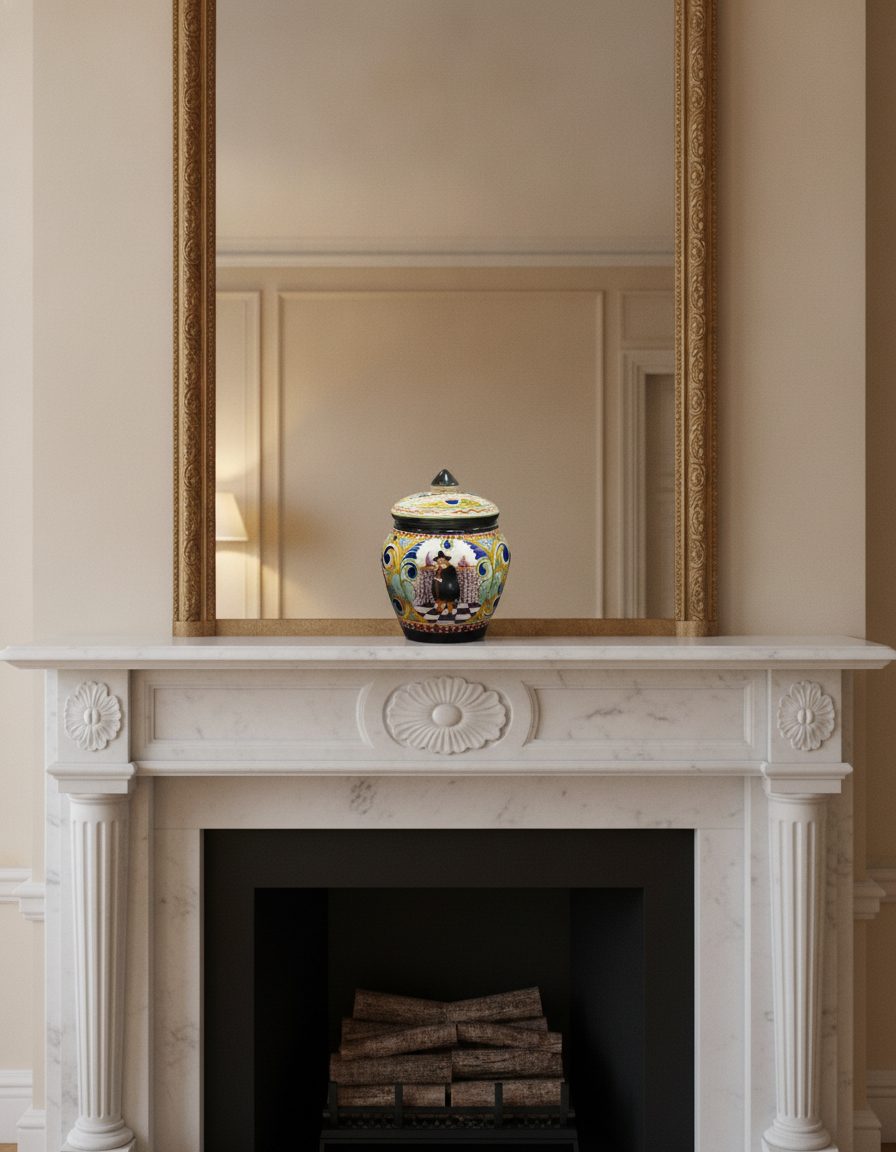
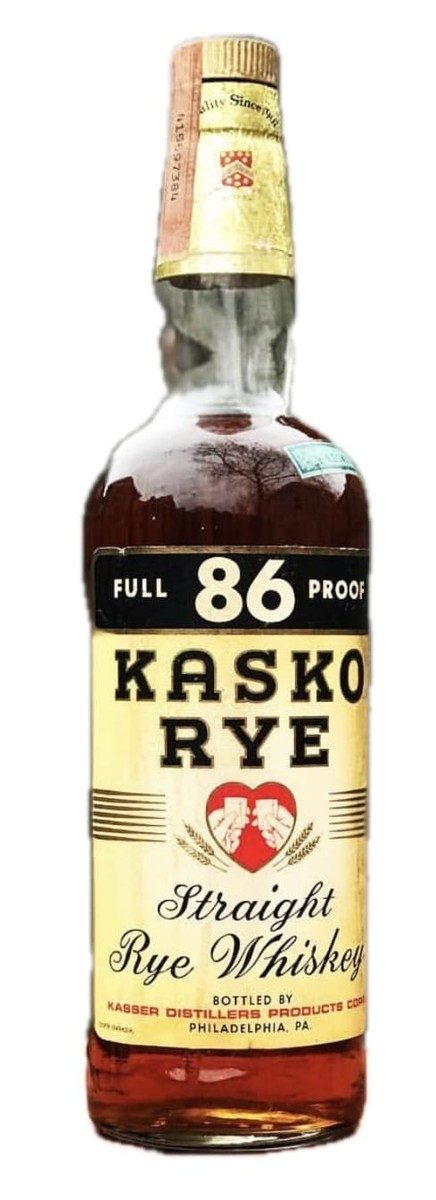
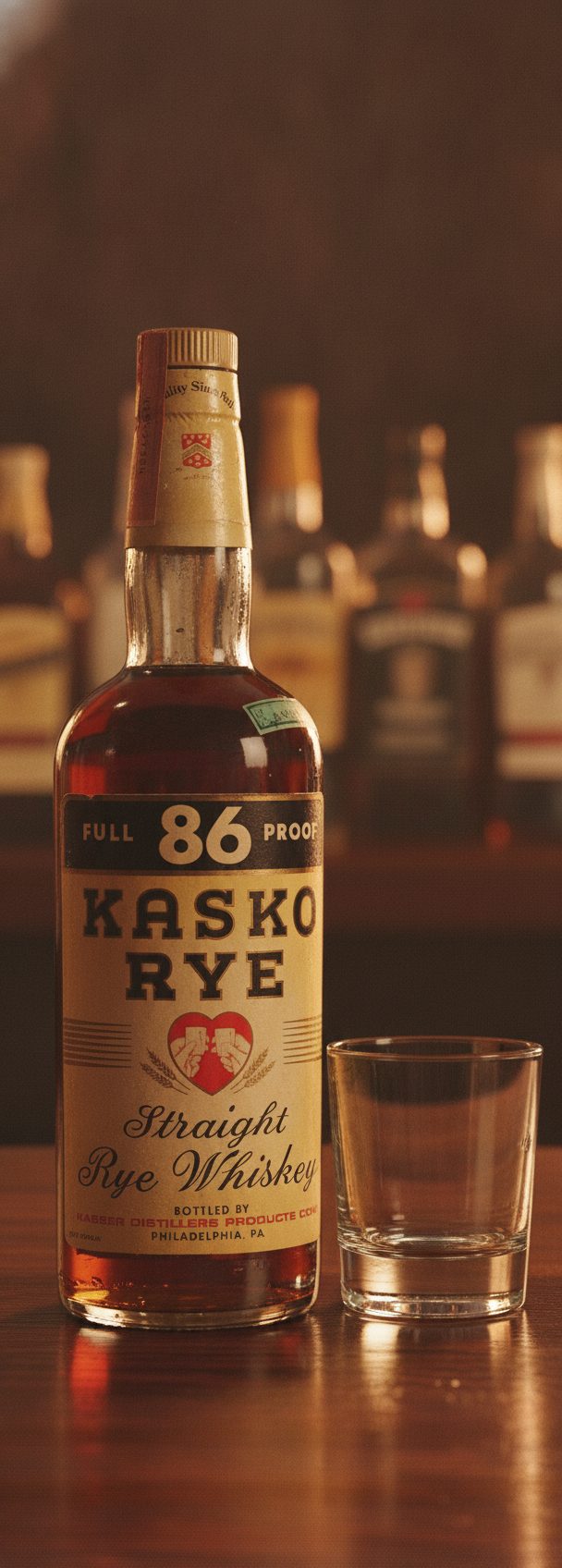
In each contact sheet, the cobalt-outlined frame is the original reference photo — the single upload — and the frames beside it are scenes generated from it. Read left to right: one photo in, several scenes out, the product held constant.
We deliberately chose plain, generic products for these examples rather than famous brands. The point isn't a logo you'll recognize; it's whether the same jar, bottle or bag stays believably itself as the scene changes around it.
Everyday products, restaged
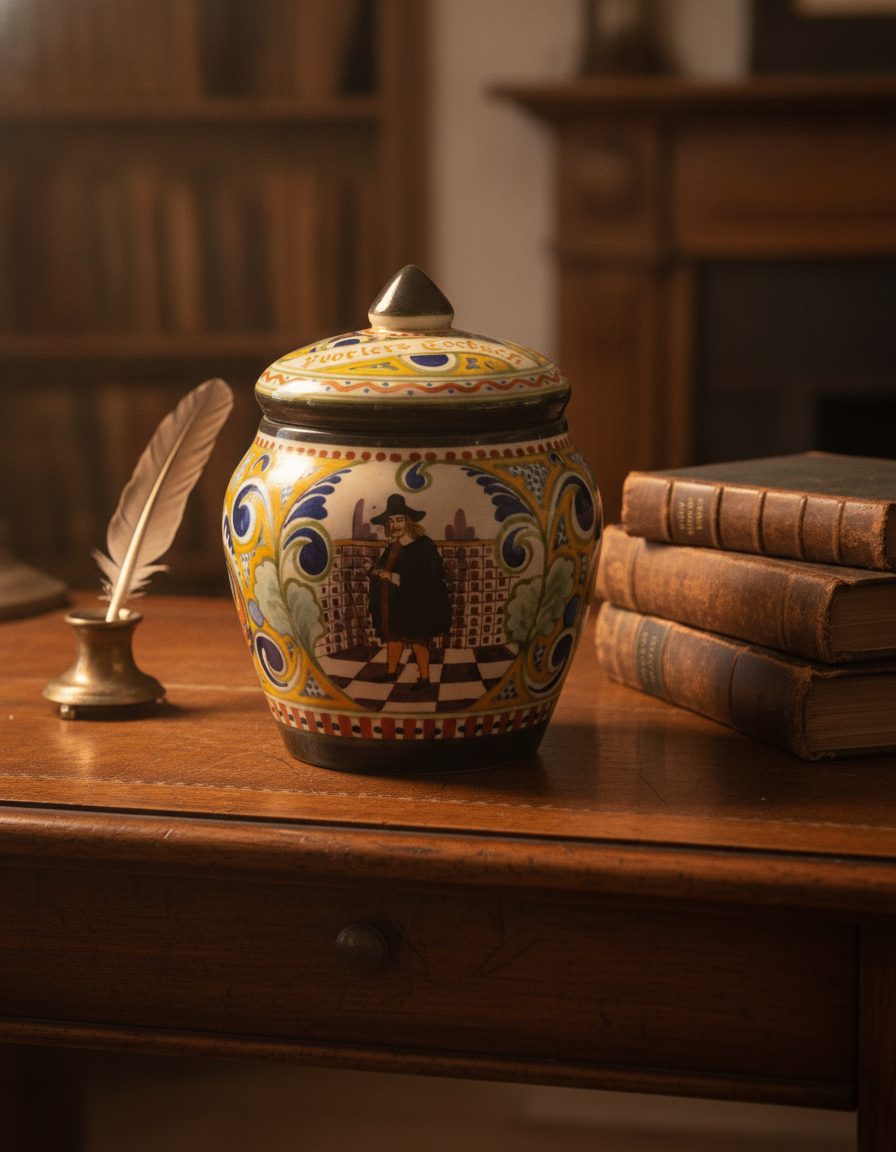
Two ordinary items — clamp-lid pantry jars and a hand-painted lidded jar — each preserved across different settings.
When the packaging is the appeal
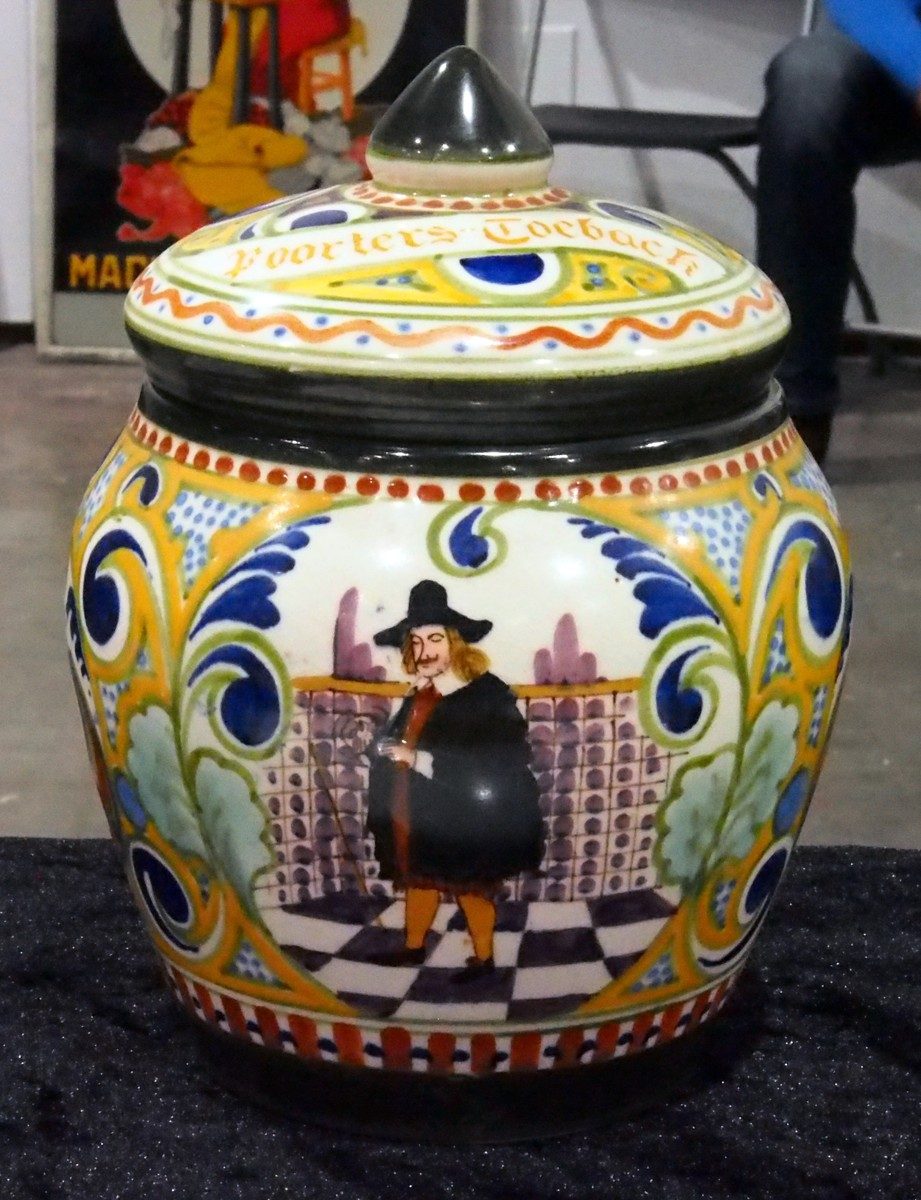
A hand-painted jar with a central figure and a pointed finial — the kind of detail a template mockup can't respect. Here the real piece is kept and only the room changes.
A legible label across three sets
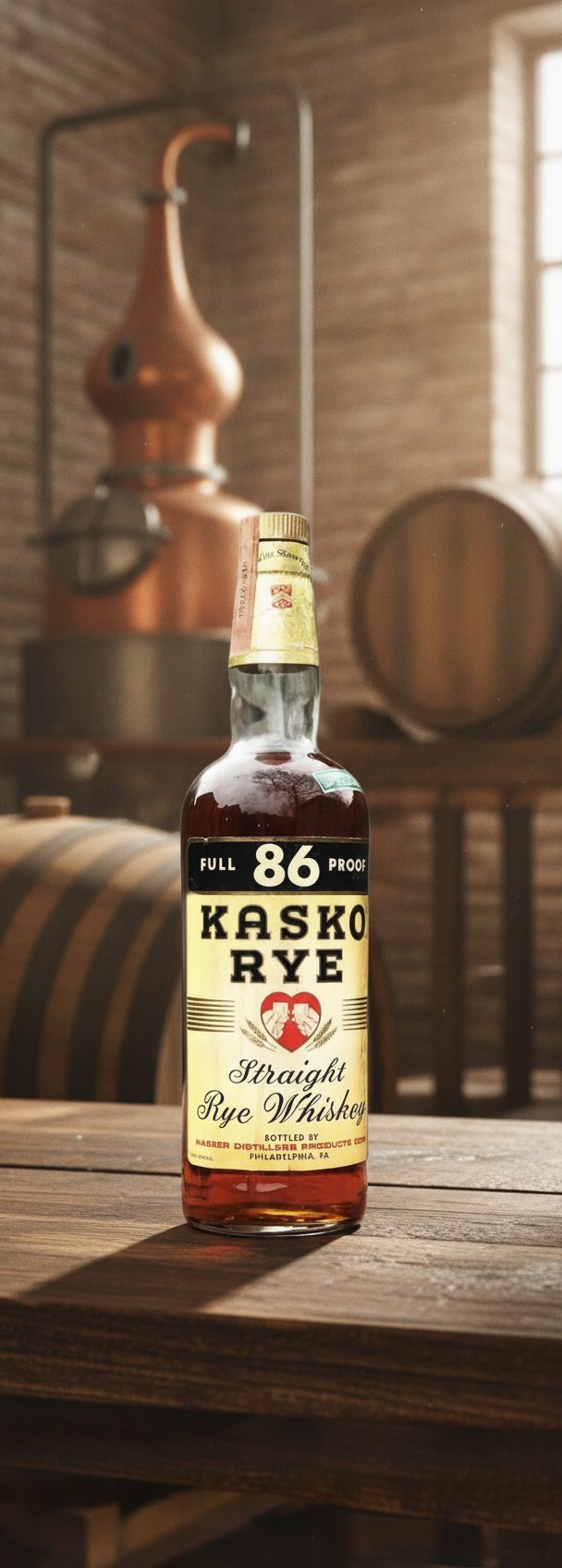
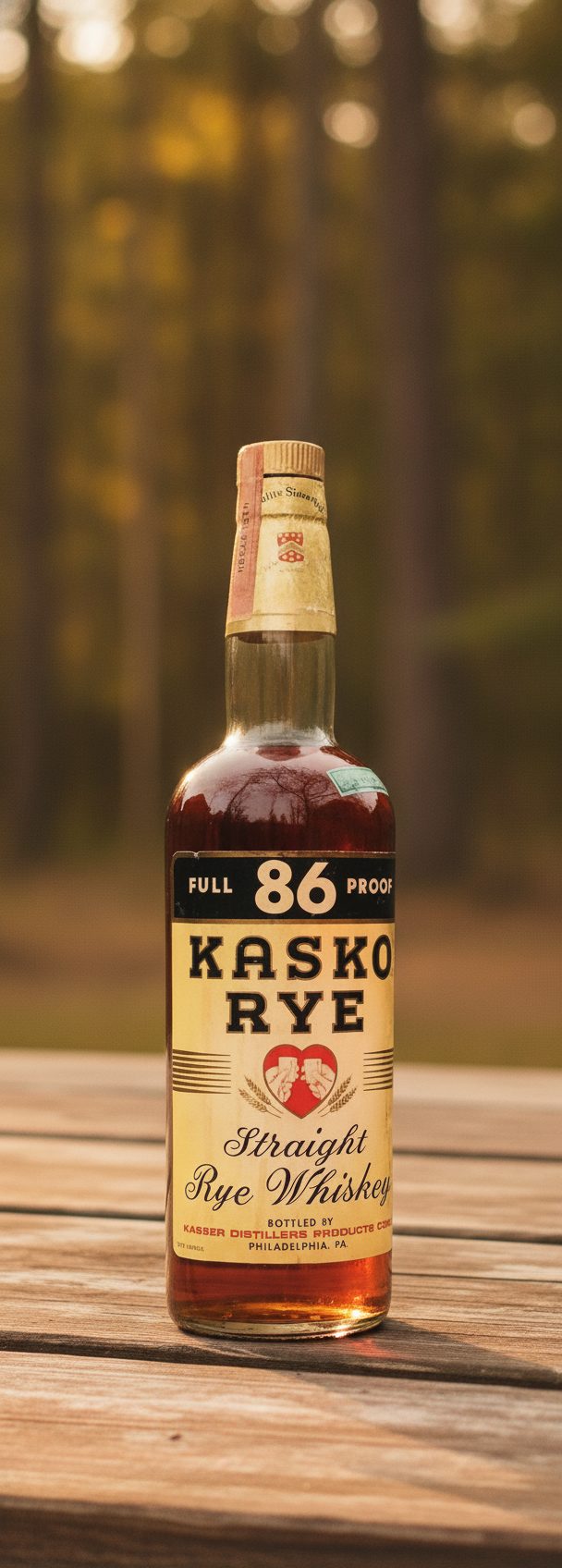
A bottle with clear, bold label text — restaged onto a bar counter, a distillery shelf and an outdoor table. The label carries through all three.
Where it doesn't fully hold
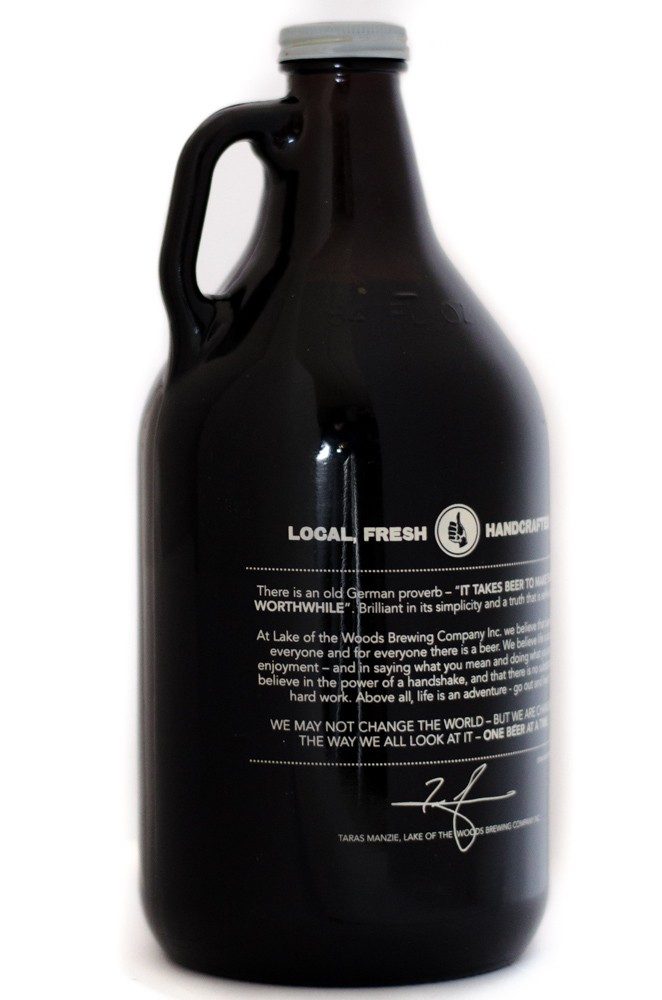
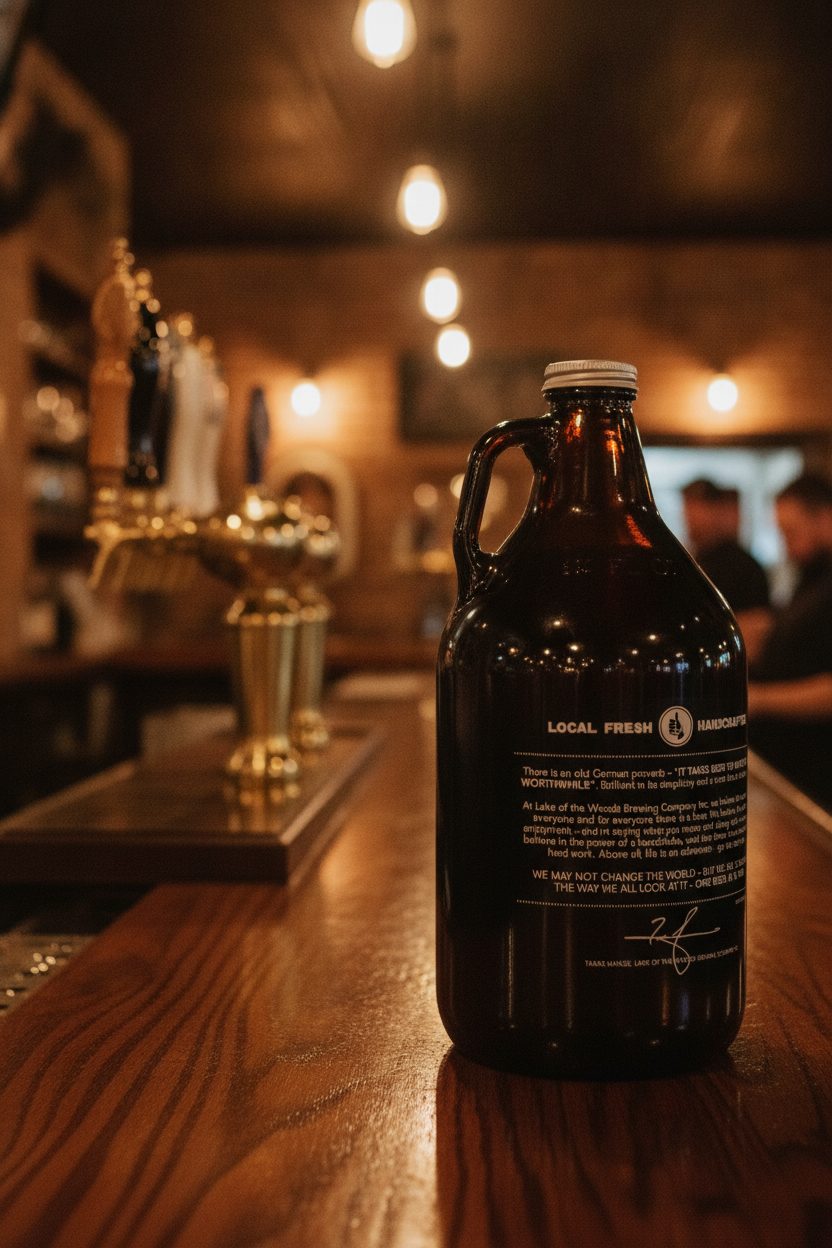
We show failures too. This growler keeps its shape, cap and bold branding, but a dense paragraph of fine print became illegible — a real example of the fine-print limit we document.
How to read these sheets
- The cobalt-outlined frame is always the original reference photo; the rest are generated from it.
- Reference photos are public-domain (CC0/PD) product images from Wikimedia Commons; scenes are real engine outputs.
- We show honest misses alongside strong results so you can judge the fine-print limit for yourself.
Questions, answered plainly
Are these cherry-picked?
We show strong results and at least one honest failure so the picture is balanced. On the discovery set behind these, most cases were usable and a minority softened on fine print — which is exactly why we include the growler example rather than hide it.
Can I get results like this with my product?
If you start from a sharp, evenly lit, front-on reference photo, products with clear shapes and bold labels stage this well. Very fine print is the fragile part. The best way to know is to try your own product — it's free to start.
Why public-domain products instead of real brands?
Two reasons: we can show and license them openly, and generic items make a fairer test of whether the same object stays itself across scenes. Your own products are exactly the intended use — these are just honest, shareable stand-ins.
See it on your own product
The fastest way to judge this is your product, not ours. Upload one photo and watch it land in a scene — free to start.