One shot of your bottle, jar or can — restaged for every setting
A drink or pantry product usually gets photographed once, on a plain surface. KeepThisProduct takes that single shot and places the same bottle, can or jar into a kitchen counter, a laid table, a market shelf — the vessel, cap and label held constant while the setting changes.
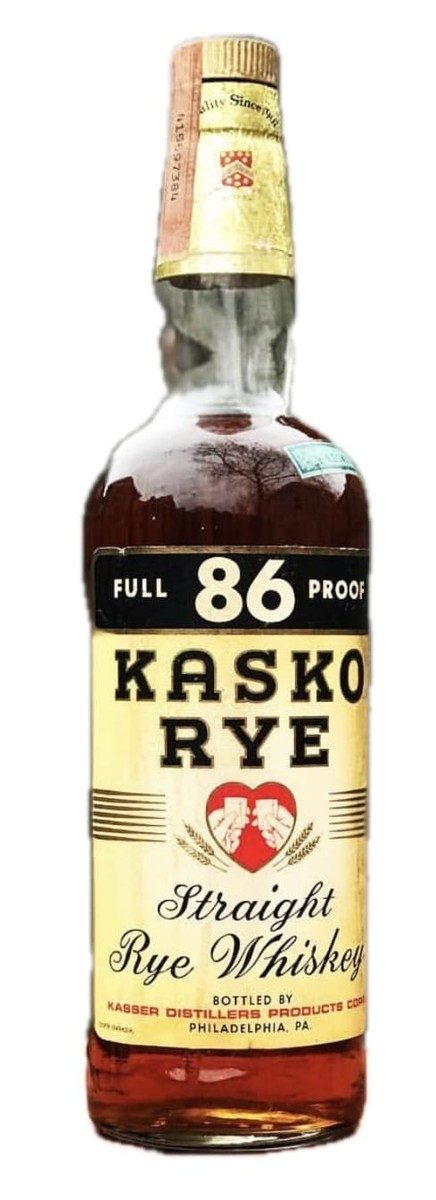
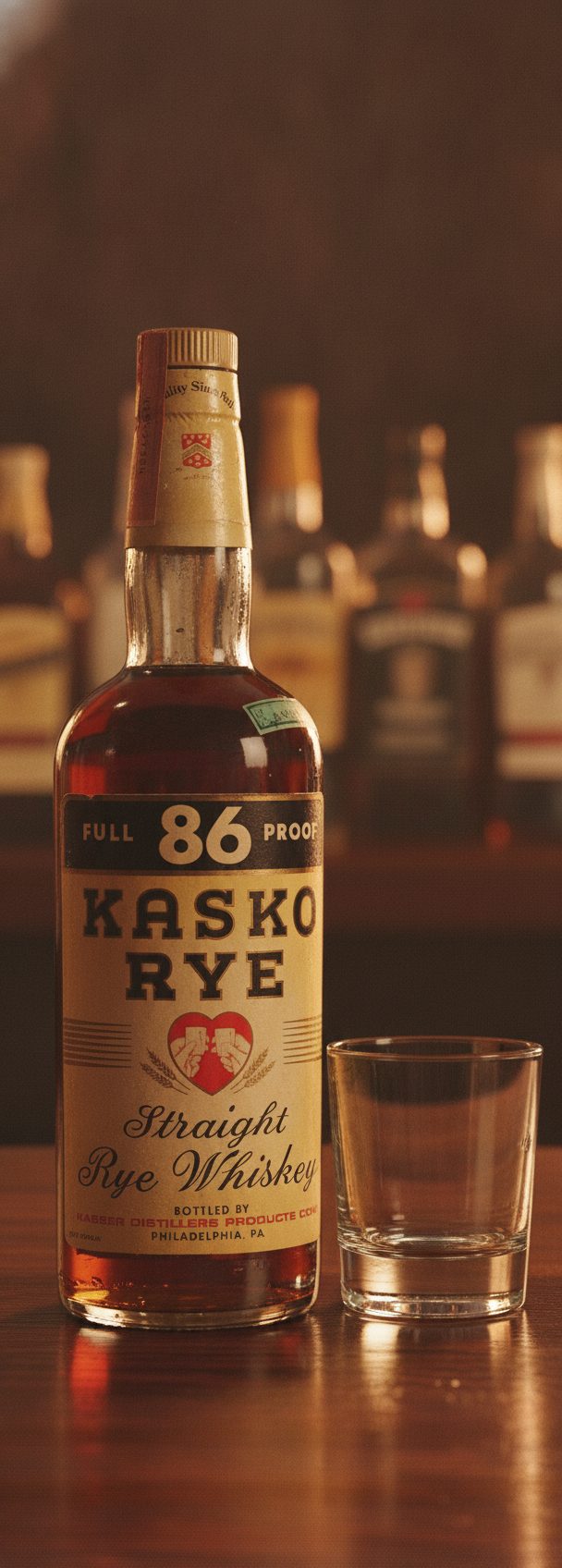
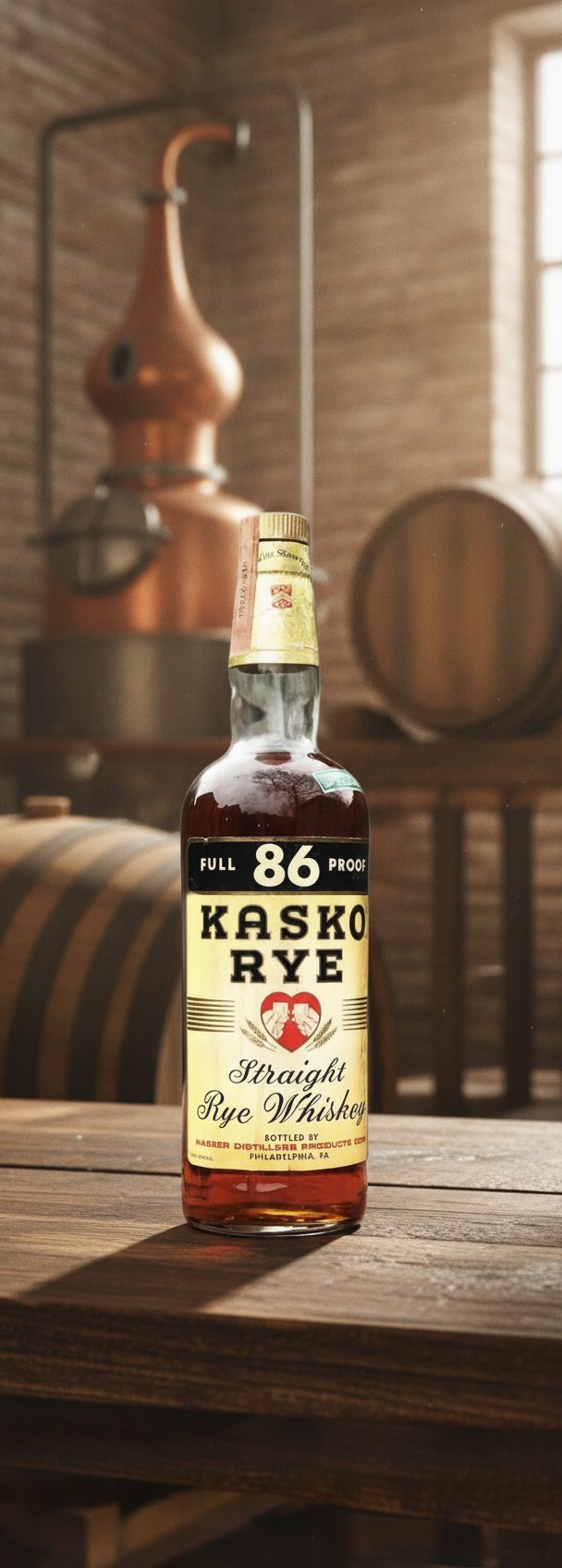
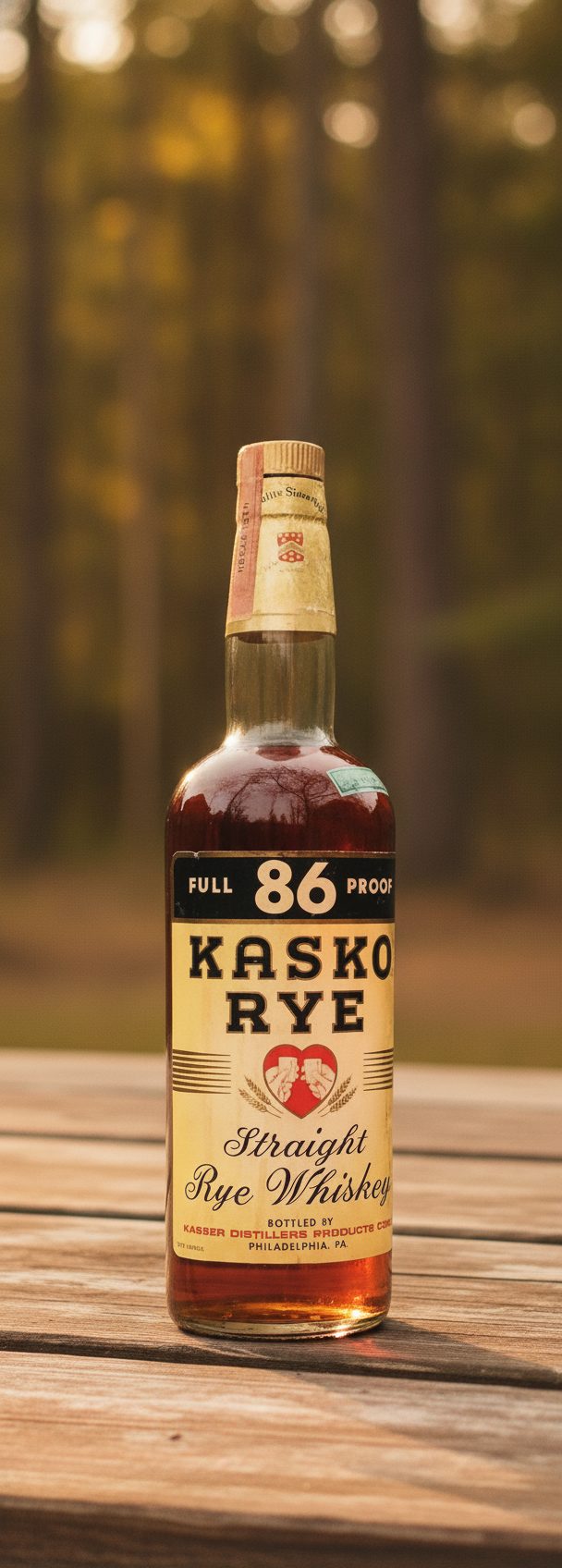
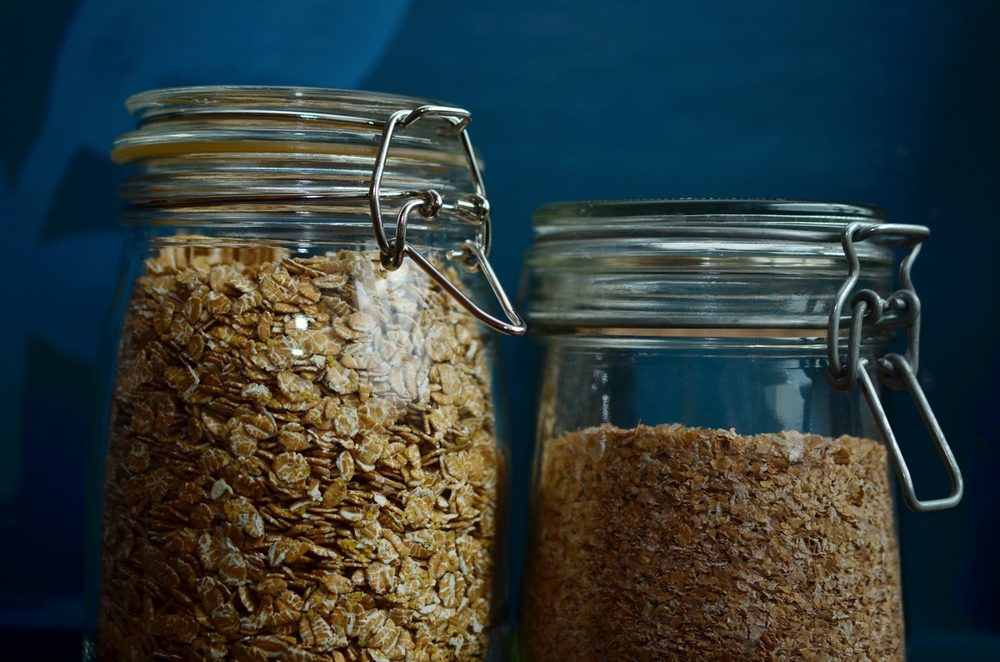
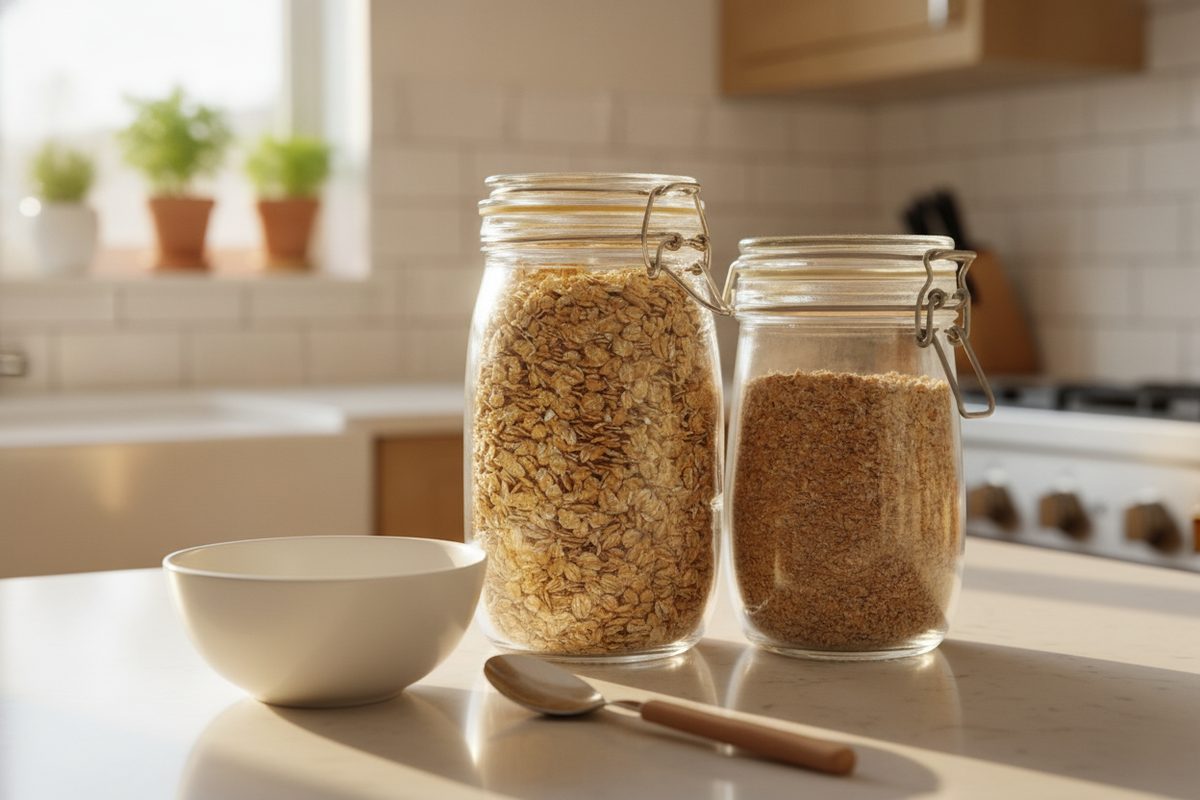
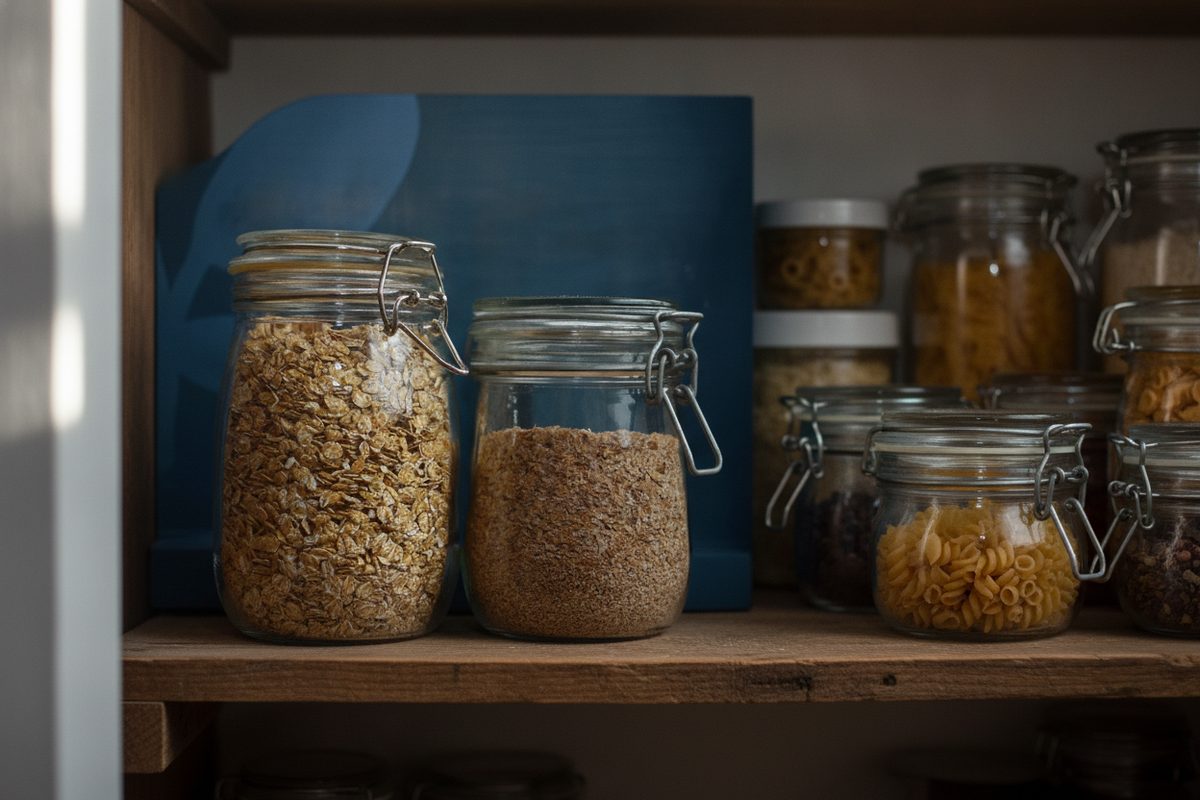
Food and drink shoppers read the vessel before they read the words: the shape of the bottle, the color of the glass, the way the cap sits, the printed label. Get any of those subtly wrong and the picture stops looking like the thing on the shelf. That is exactly what generic mockups do — they approximate the container instead of keeping it.
Because every scene here is built from a photograph of your finished product, the container is not redrawn. The bottle above keeps its vintage label and amber glass across three settings; the clamp-lid jars keep their glass and metal. You direct the room; the product is the constant.
A practical set for a single SKU
Start with one clean reference of the closed, filled product from a flattering angle. From that you can build a hero on a warm counter, a context shot beside plates or glassware, and a plain catalog frame — the same vessel in each, so the set reads as one product photographed three ways rather than three near-misses.
Where a listing needs to show what actually ships, keep the scene honest to the real fill level, cap and label. A scene changes the surroundings; it should never invent a garnish, a serve or a size the buyer will not receive.
The limit worth naming
Small print on a beverage or food label — a nutrition panel, an ABV figure, a barcode, a batch code — is the detail most likely to soften when the vessel is restaged at a distance. Keep a straight, close-up macro of any panel a buyer or a regulator relies on, and use scenes for the hero angles where the container reads clearly.
What stays true
- The vessel shape, glass color, cap and label placement are carried from your photo — the scene restages, it does not redesign the product.
- Fine label print (nutrition, ABV, barcodes, batch codes) can soften at small scale; keep a macro close-up for those.
- Stage only products you make or are authorized to represent; never add flavors, awards, certifications or contents the product does not carry.
Questions, answered plainly
Will my label survive being placed in a new scene?
The overall label — its colors, layout and main wordmark — is preserved because the scene is built from a photo of the real product. Very fine print can soften when the vessel is shown small or far, so keep a close-up macro for panels a buyer relies on.
Can I show a drink being poured or served?
You can place the closed, real product into serving contexts, but keep it truthful: do not depict a garnish, glassware serve or portion the buyer will not actually receive. The setting is yours to direct; the product stays what it is.
What does a set of scenes cost?
Start with one free watermarked preview. If it is usable, choose 5 selected scenes for $9.99, 20 for $29.99, or 60 for $79.99 — each scene gets up to three attempts and one full-resolution final, with no subscription or separate signup.
Photograph the bottle once, set it anywhere
Take one clean shot of your food or drink product, then place it into as many settings as the season needs — vessel, cap and label kept true.