Your coffee bag or tea tin — restaged, never redrawn
Coffee and tea brands live on the pack: the bag's shape, the tin's finish, the box art. KeepThisProduct builds each scene from your photo, so the same bag, tin or box moves onto a café counter, a morning kitchen, a styled shelf — the pack and label held true while the setting changes.
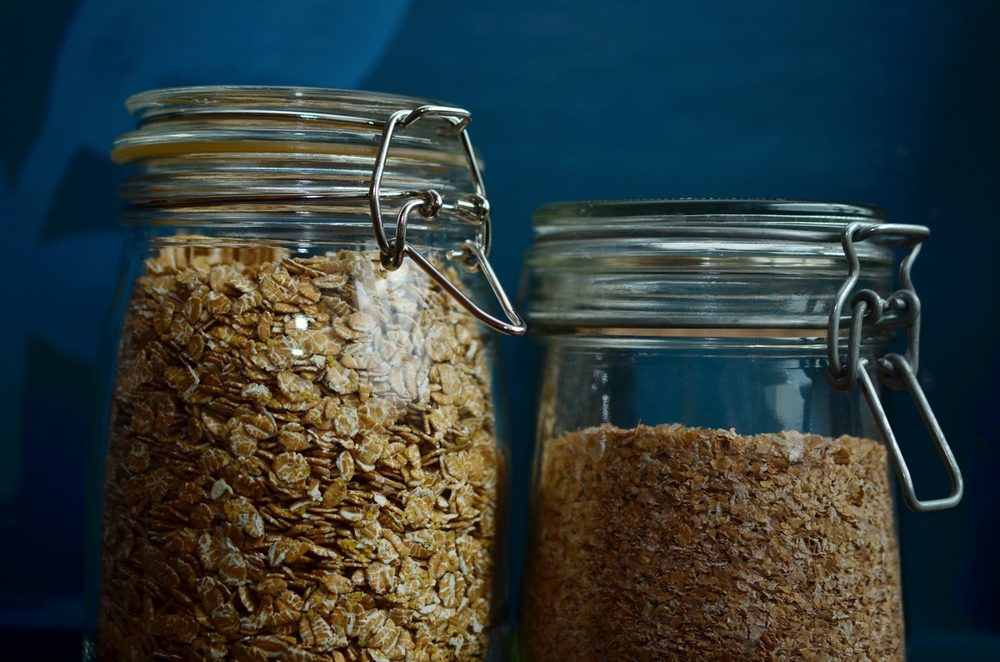
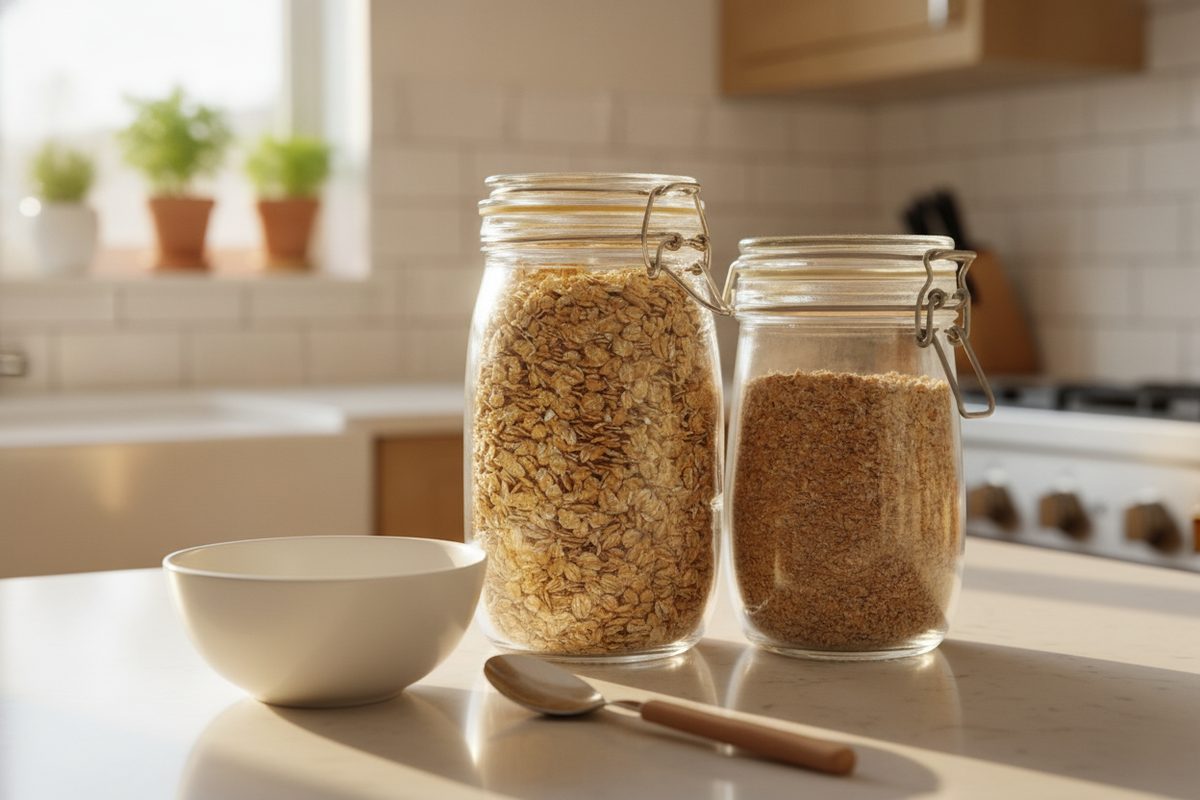
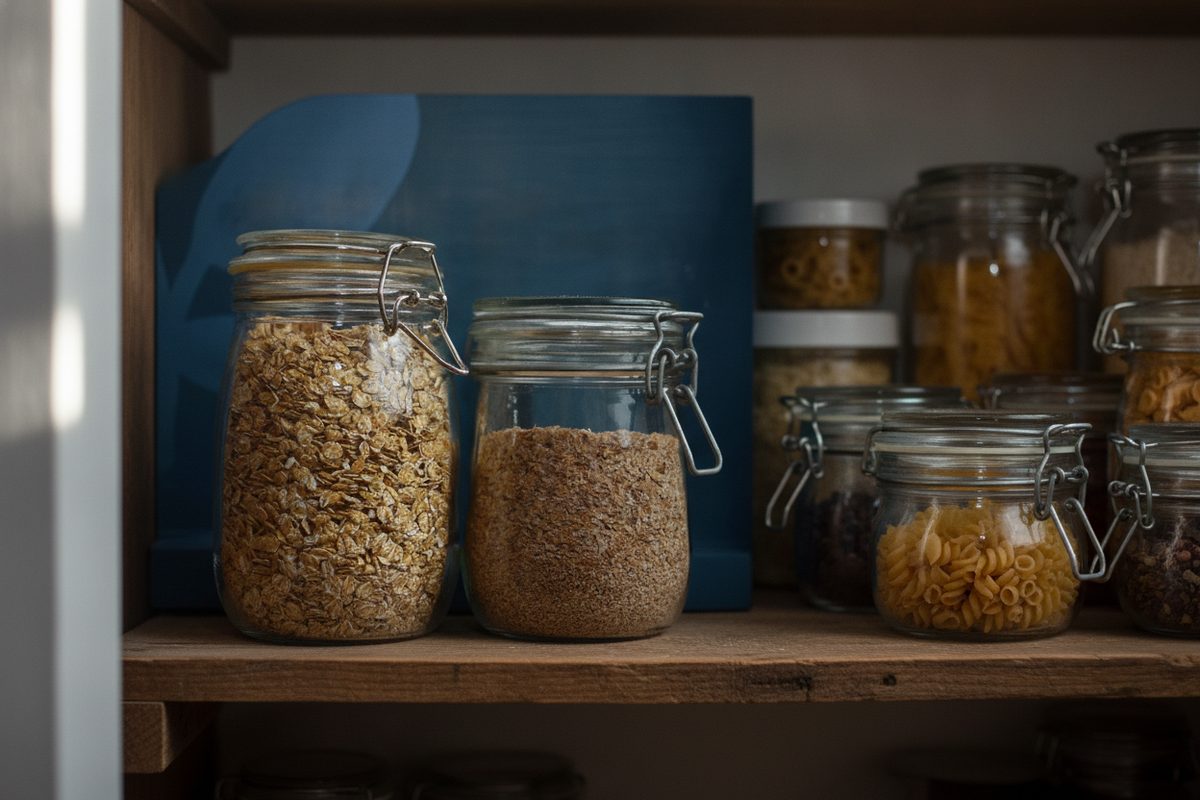
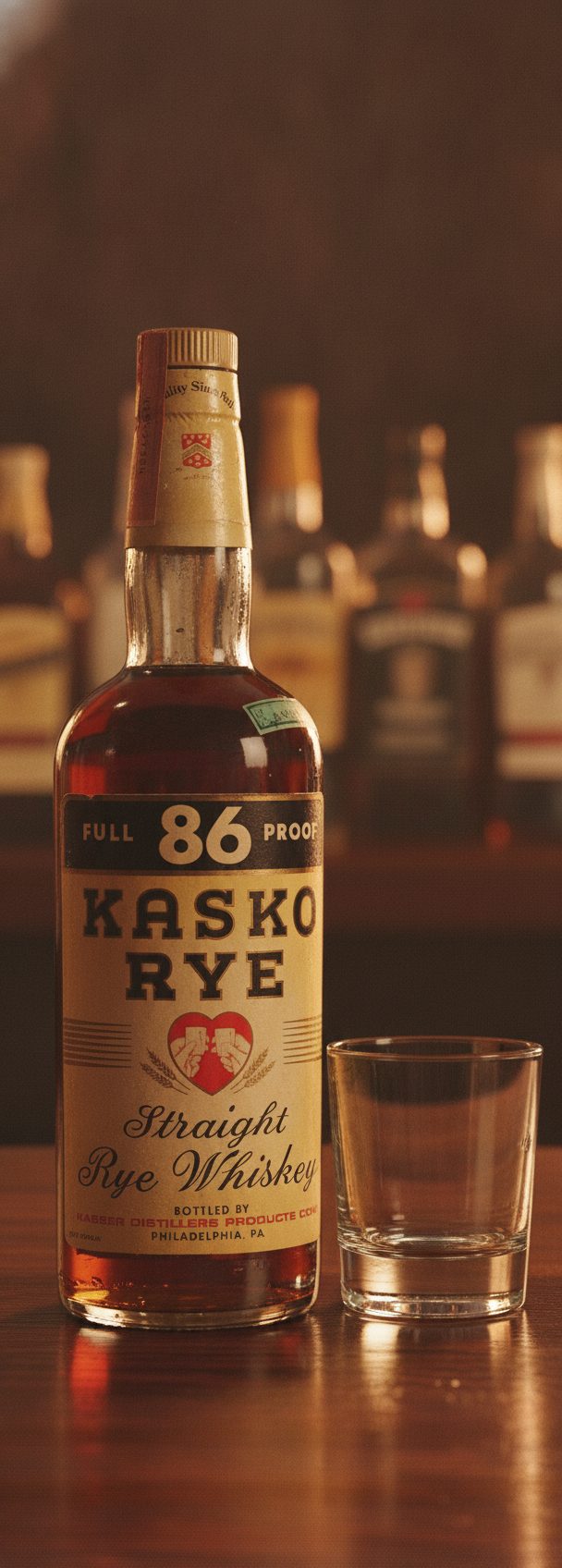
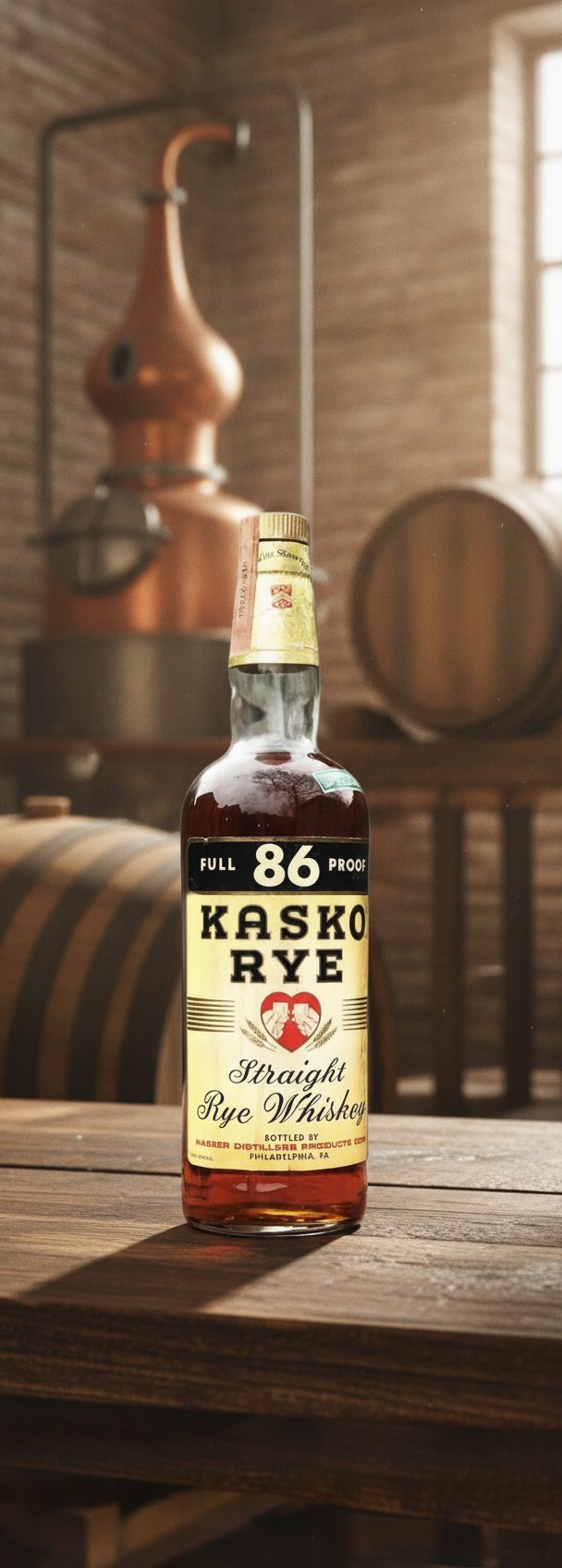
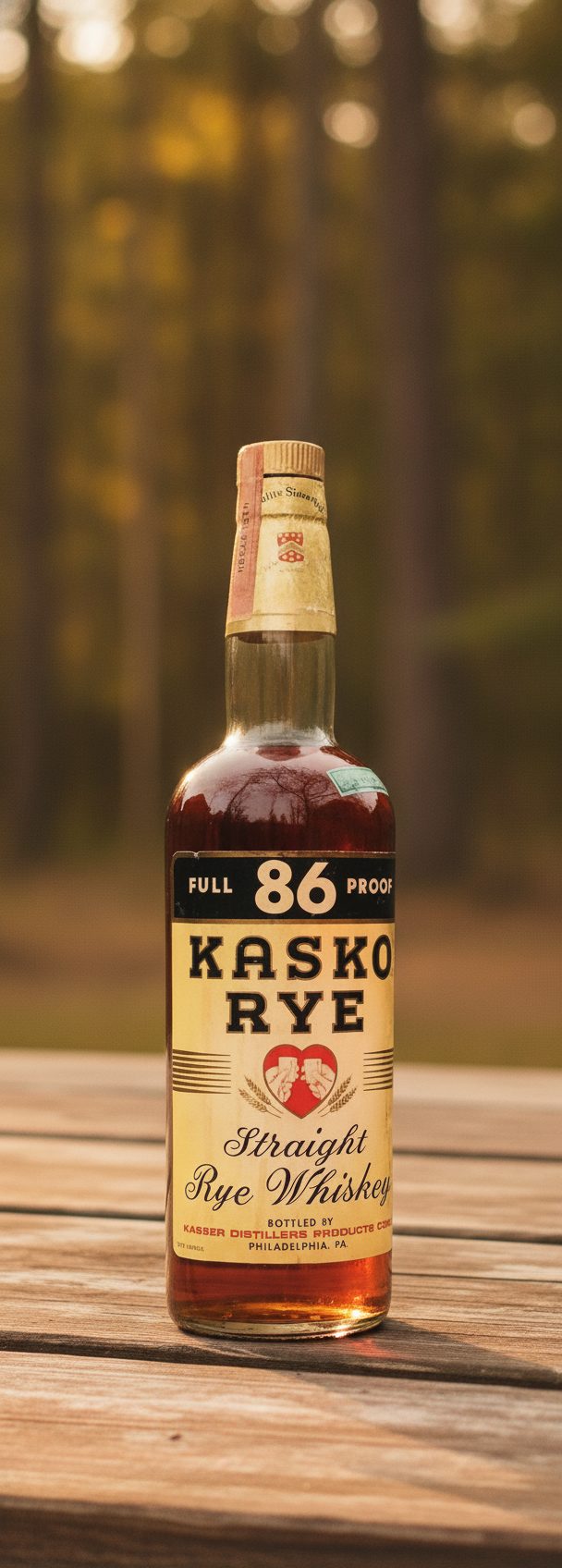
A coffee bag or tea box is a designed object, and buyers recognize it by its exact form and art — the gusseted bag, the tin lid, the printed panel. Generic mockups tend to soften those into a generic pack, and the result no longer matches the thing on the shelf or in the subscription box.
A photo-based scene keeps the pack and rebuilds only the setting. The example frames show real vessels held constant across scenes; a coffee bag or tea tin follows the same rule — the pack in the café scene is the pack you photographed.
A brand set from one photo
Photograph the sealed pack once, cleanly. From that you can stage a café-counter hero, a warm kitchen context, and a plain catalog frame — the same bag, seal and label in each, so a subscription or retail range reads as one consistent brand rather than a set of near-matches.
Keep the scene honest to the pack. It can suggest a ritual or a setting, but it should not imply an origin, a roast level, a certification or a brew method the product does not actually offer. Those specifics belong in your description, not in the styling.
The limit worth naming
Small print on a coffee or tea pack — origin and roast details, net weight, brewing instructions, certification marks — can soften when the pack is restaged at a distance. Keep a straight close-up of any panel a buyer relies on, and use scenes for the hero and lifestyle angles where the pack reads clearly.
What stays true
- The pack form, finish, seal and label are carried from your photo — the scene restages the setting, not the product.
- A scene suggests a ritual or context; it must not imply an origin, roast, certification or brew method the product lacks.
- Origin, weight, brewing and certification print can soften at small scale; keep a close-up for those.
Questions, answered plainly
Will my bag or tin keep its exact shape and art?
Yes — the pack's form, finish, seal and label are preserved because the scene is built from your photo. Only the setting around it changes.
Can a scene suggest an origin or roast?
A scene sets a mood and context only. It should not imply an origin, roast level, certification or brew method the product does not actually have — keep those specifics in your description.
What does a brand scene set cost?
One free watermarked preview to start, then 5 selected scenes for $9.99, 20 for $29.99, or 60 for $79.99. Each scene gets up to three attempts and one full-resolution final, with no subscription or separate signup.
Keep the pack, change the setting
Photograph the coffee bag or tea tin once, then stage it across café, kitchen and shelf scenes — pack and label held true.